
 For nearly twenty years, the Hamptons has served as a perfect opportunity to escape the city for a long weekend of well-selected films and well-heeled events in New York’s legendary getaway seaside communities. Taking place post-season, the festival caters more to the year-round locals than to the summer crowd, but also draws an impressive number of industry from NYC for a more casual cinema-going experience.
It’s been a few years since my schedule has allowed me to attend, but I’m hoping to make it for a couple of evenings later this week – the festival opens this Thursday and wraps on Monday. Documentaries are regularly represented in the fest’s “Films of Conflict & Resolution” strand, some of which are also part of the documentary competition. This year, the Hamptons screens thirty new feature-length docs.
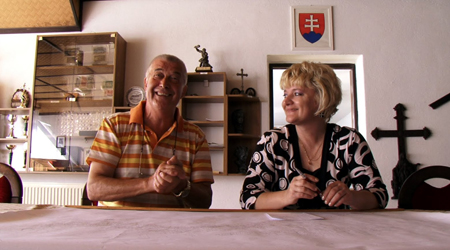
Among these are some I’ve already seen out of other notable festivals (such as SING YOUR SONG and FAMILY PORTRAIT IN BLACK & WHITE from Sundance; THE BULLY PROJECT, THE LOVING STORY, and JIRO DREAMS OF SUSHI from Tribeca; MATCHMAKING MAYOR from Hot Docs (pictured above); and SCENES OF A CRIME from Silverdocs), or keep missing but will eventually catch up with (PINA 3D, PARADISE LOST 3, CRAZY HORSE, YOU’VE BEEN TRUMPED). Of the remainder, these have captured my attention:
 I’ve heard great things about Felipe Barbosa’s LAURA, whose titular subject the festival likens to Little Edie from the seminal Hamptons film GREY GARDENS. If that’s even a little true, this portrait of a Brazilian nightlife diva who struggles with poverty by day is a must-see.
Another film premiering at the Hamptons with an unforgettable female subject is Gaylen Ross and Rebecca Nelson’s CARIS’ PEACE, about an actress who develops short term memory loss due to a brain tumor. Despite the loss of her career, and confounding, poignant daily struggles with memory, Caris remains a warm and likeable presence who grounds the film.
 Women are also central to Jerzy Sladkowski’s impressive VODKA FACTORY. The film focuses on a mother and daughter living in a small Russian village who both seek an escape from the trap their lives have become. With beautiful verité footage despite its stark backdrop, and a story that unfolds like a drama, the film is always compelling.
Dissatisfaction and escape are taken to the extreme in Arnaud Uyttenhove and Laure Flammarion’s SOMEWHERE TO DISAPPEAR. The directors follow photographer Alec Soth on the road as he documents the lives of Americans who have left society behind to live as hermits, searching for the dream hideout.
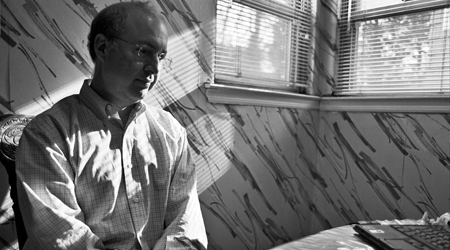 The subjects of Marc Levin’s HARD TIMES: LOST ON LONG ISLAND thought they found their dream homes in the suburban American Dream. The film focuses on the long-term impact of the economic recession on these homeowners, and on the disappearance of the middle class.
Finally, after I visited there last summer, I’m interested to see Britta Wauer’s IN HEAVEN, UNDERGROUND: THE WEISSENSEE JEWISH CEMETERY. The cemetery, located in Berlin but largely undisturbed during the Third Reich, is itself an imposing yet peaceful location, and I’m curious to see how the filmmaker balances its presence and story with those of the many who are buried there.

 what (not) to doc