
 With IDFA kicking off tonight, this second of two posts wraps up my list of titles I’d be checking out if I were headed to the Netherlands. Yesterday’s post covered the competitions, while the following runs down the fest’s various non-competitive strands.
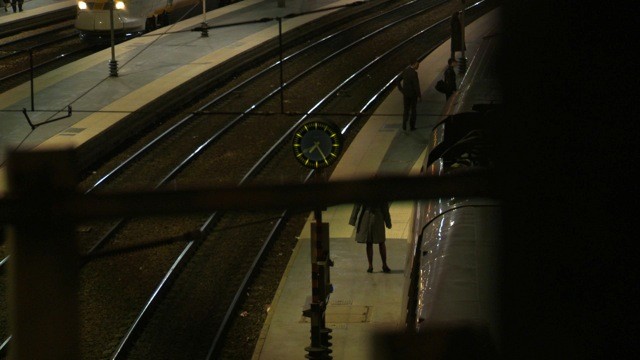 IDFA has scaled down its programming that used to be under the larger umbrella of “Reflecting Images,” including reducing the number of films in Best of Fests, a section spotlighting titles that have already premiered at other major festivals over the past year. I’ve previously either already covered or mentioned nearly all of the 21 features in this space before, aside from Nick Read’s THE CONDEMNED, a portrait of a remote Russian prison; and Carlo Zoratti’s THE SPECIAL NEED, about the efforts of an autistic man’s friends to help him lose his virginity. The Masters section presents nineteen works from established directors, some familiar from the circuit, and other newer titles, including: Victor Kossakovsky’s DEMONSTRATION, jointly made with 32 film students, documenting last year’s mass protests in Spain; Nick Broomfield’s SEX MY BRITISH JOB, an exposé of undocumented sex workers in London; Ivars Seleckis’ CAPITALISM AT CROSSROAD STREET, a look at the economic crisis through the microcosm of a Latvian street; Marina Goldovskaya’s THE ART OF OBSERVING LIFE, which features interviews with the pioneers of US nonfiction making; Claire Simon’s HUMAN GEOGRAPHY (pictured), an observational portrait of globalization via Paris’ Gare du Nord; and Thomas Balmés’ HAPPINESS, about the impact of the introduction of electricity on Bhutan.
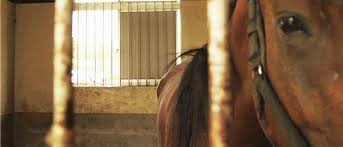 The Panorama section offers two dozen new features noted by the fest as particularly thought-provoking in content or approach, including: Anna Broinowski’s AIM HIGH IN CREATION, following the filmmaker’s attempts to make a propaganda film in North Korea to help her Australian village; Dragan Nikolic’s THE UNDERTAKER, an intimate portrait of a Serbian undertaker questioning his profession; Guido Santi and Tina Mascara’s MONK WITH A CAMERA, about the Buddhist monk grandson of VOGUE‘s iconic editor Diana Vreeland; Yoju Matsubayashi’s THE HORSES OF FUKUSHIMA (pictured), a look at the traditional festival that saves the equines caight in the radius of the 2011 nuclear accident; Gereon Wetzel’s HOUSES FOR ALL, a meditation on Spain’s desperate real estate market; Abdenour Zahzah’s THE RIVER, revealing diverse characters along the course of an Algerian river; Thomas Johnson’s IN THE WAKE OF STALIN, an examination of Russian collective amnesia around Stalin’s oppressive regime; Viktar Dashuk’s TEMPTATION, an autobiographical portrait focused on Belarus; and Ricardo Pollack’s THE TROUBLE WITH AID, an investigation of the complex humanitarian aid sector.
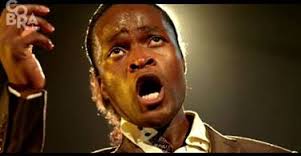 The festival annually presents a robust collection of Music docs, this year totaling sixteen, including: Ibbe Daniëls and Koen Vidal’s RÊVE KAKUDJI (pictured), a portrait of a Congolese opera singer; Angela Esteban and Elena Goatelli’s ONE MINUTE FOR CONDUCTORS, on a junior conducting competition; Mitchell Kezin’s JINGLE BELL ROCKS!, an exploration of the diverse and sometimes bizarre world of modern Christmas music; and Don Argott’s AS THE PALACES BURN, a heavy metal band profile turned unexpected courtroom drama.
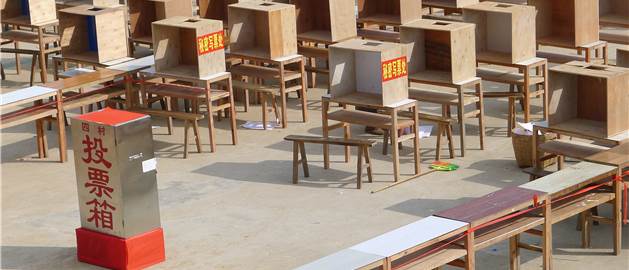 This year, IDFA offers a spotlight on Southeast Asian nonfiction, including four features: James Leong and Lynn Lee’s WUKAN: THE FLAME OF DEMOCRACY (pictured), looking at the first democratic elections in a small Chinese provincial village; Kavich Neang’s WHERE I GO, a character profile of the struggles of a Cambodian boy with an absent African father; Tonny Trimarsanto’s THE MANGOES, following an MTF back to her Jakartan village for the first time in two decades; and Nontawat Numbenchapol’s BOUNDARY, on a border dispute between Thailand and Cambodia.
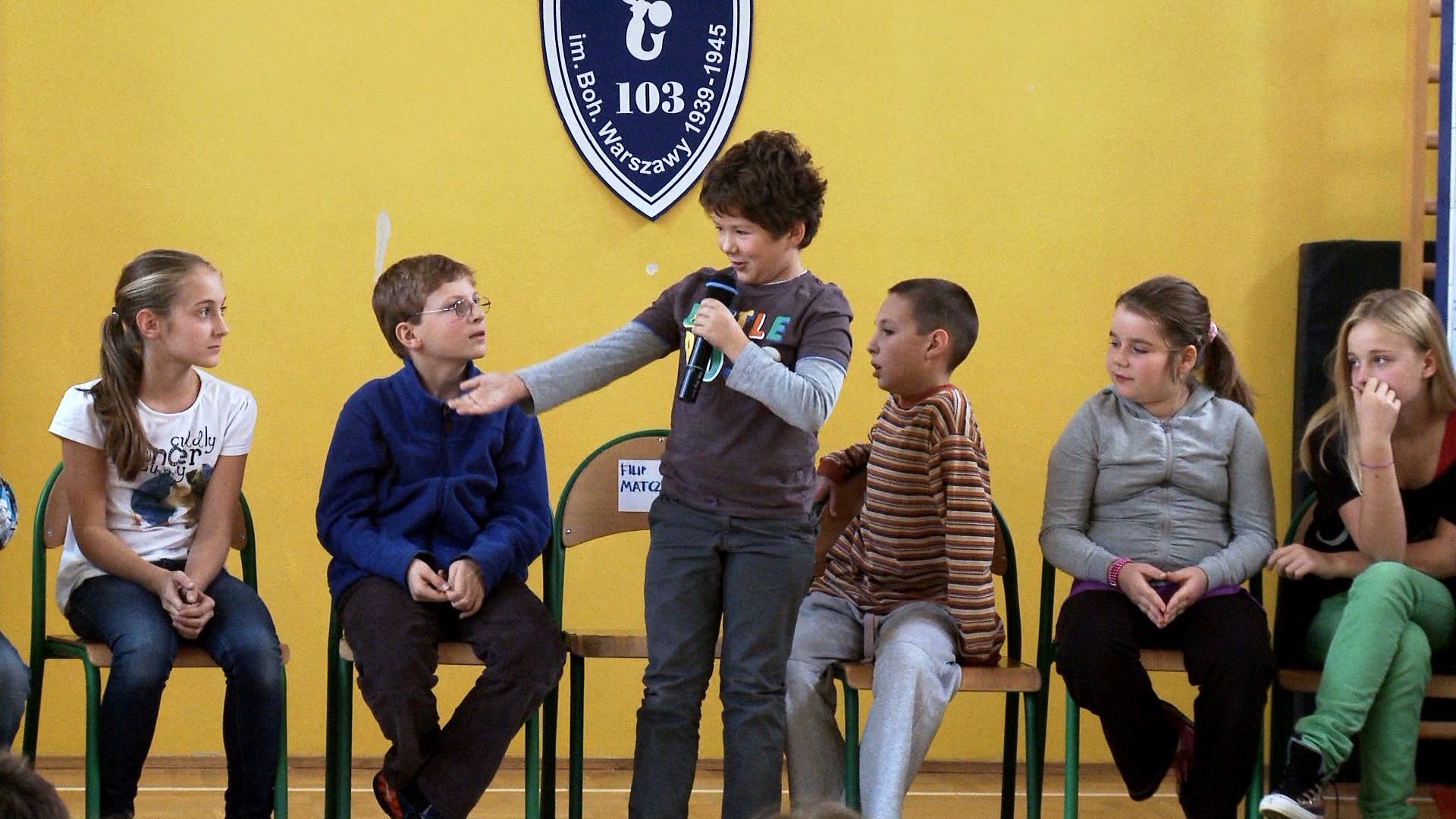 Other fest sections include Kids & Docs, primarily consisting of shorts but also including the Polish primary school election feature LEADERS (pictured) by Pawel Ferdek; the hybrid-focused Paradocs; retro series Based on the Same Story, featuring double feature fiction and nonfiction takes on the same subject; a program on The First World War: The First War on Screen; a strand of Stand-Up comedy docs; a filmmaker focus on Dutch director Niek Koppen; a retrospective on Rithy Panh’s work; and Panh’s curated list of Top 10 retro docs.

 what (not) to doc