
 Germany’s oldest nonfiction event, DOK Leipzig begins tonight, Monday, October 26, and runs through Sunday, November 1. Its 58th edition offers approximately 75 new documentary features in addition to retrospective programming, shorts, and a parallel program of animated films. The festival is distinguished by a generally more esoteric selection, debuting several new films that take an untraditional approach to nonfiction. The following highlights selections from this year’s offerings:
 Nearly a dozen features face off in the German Competition, many of them world premieres. Among these are: Opening night film TIME WILL TELL (pictured), Andreas Voigt’s continuation of a series that profiles how the lives of his protagonists have changed since German reunification; Matthias Koßmehl’s CAFÉ WALDLUFT, about a traditional Bavarian tourist destination turned home to asylum seekers; Stefan Eberlein and Manuel Fenn’s PARCHIM INTERNATIONAL, which follows the efforts of a Chinese multibillionaire to develop an economically depressed German town; Andreas Maus’ THE BARBER AND THE BOMB, an investigation into an infamous right-wing terrorist attack; and Mario Schneider’s NAKED BEAUTY, a profile of nude art school models.
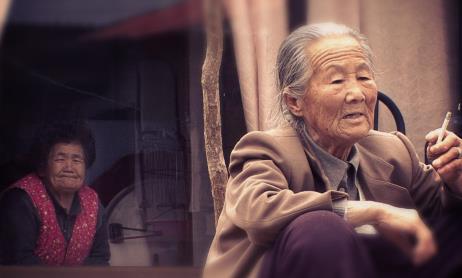 The fest’s main competition focuses on international work. Notable new entries here include the world premieres of Vitaly Mansky’s UNDER THE SUN, in which the Russian-Ukranian director offers a pointed portrait of day-to-day life in North Korea despite the efforts of his minder; and Marianna Economou’s THE LONGEST RUN, about the uncertain fate of two underage refugees in Greek prison. Other newer or under-the-rader titles here include: Jakob Brossmann’s LAMPEDUSA IN WINTER, an observation of the European refugee crisis as localized on a small Italian island; and Hyuck-jee Park’s WITH OR WITHOUT YOU (pictured), a sensitive portrait of the complex relationship between two Korean women who shared the same late husband.
 Finally, the Next Masters Competition spotlights the work of a dozen emerging filmmakers, among them the world premieres of: Alexandru Belc’s CINEMA, MON AMOUR, about one of the last of Romania’s film theatres; Kristýna Bartošová’s THE DANGEROUS WORLD OF DOCTOR DOLECEK, a confrontation with a Serbian-Czech genocide denialist; Joseph Gordillo’s BRUMAIRE (pictured), a meditation on a now-closed French coal mine; and Klára Trencsényi’s TRAIN TO ADULTHOOD, about a Hungarian railway operated by young people.
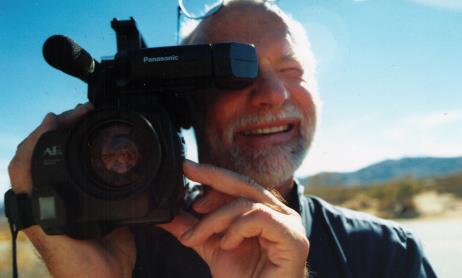 Finally, the largest section, the International Programme, offers more than 30 feature titles, including the world premieres of Melisa Üneri’s DADDY’S GIRL, about the director’s familial and cultural conflict; Eva Vitija’s MY LIFE AS A FILM (pictured), in which the director revisits her father’s obsessive documentation of her life; Julia Majewski’s WHAT FADES AND WHAT REMAINS, a study of collectors and archivists; Laurentia Genske’s OUTSIDE, about Cuban men who try to earn extra money as gigolos for foreign female visitors; and Inna Denisova’s BACK HOME, an intimate look at the impact of the annexation of Crimea.
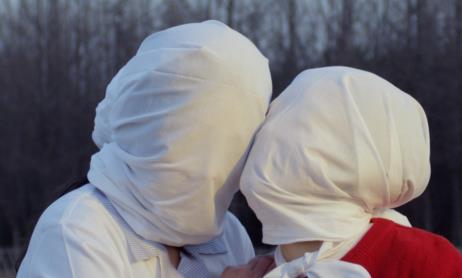 Other titles in this section include: Steven Dhoedt and Woo-young Choi’s REACH FOR THE SKY, following the daunting process Korean students go through to qualify for a good university; Çayan Demirel and Ertuğrul Mavioğlu’s NORTH, an inside look at the Kurdish guerrilla group PKK; Heung-soon Im’s FACTORY COMPLEX (pictured), an experimental consideration of globalized labor and exploitation; Nicola Bellucci’s GROZNY BLUES, about the erasure of collective memory around the war in Chechnya; Lutz Dammbeck’s OVERGAMES, which explores links between 1960s German game shows and American psychiatric therapy; Günter Schwaiger’s SINCE THE WORLD WAS WORLD, a portrait of a grumpy old Spanish farmer; and Majed Neisi’s THE BLACK FLAG, an immersive look at the efforts of a Shiite militia against ISIS.

 what (not) to doc