About: A life-giving project aims to plant trees across Africa.
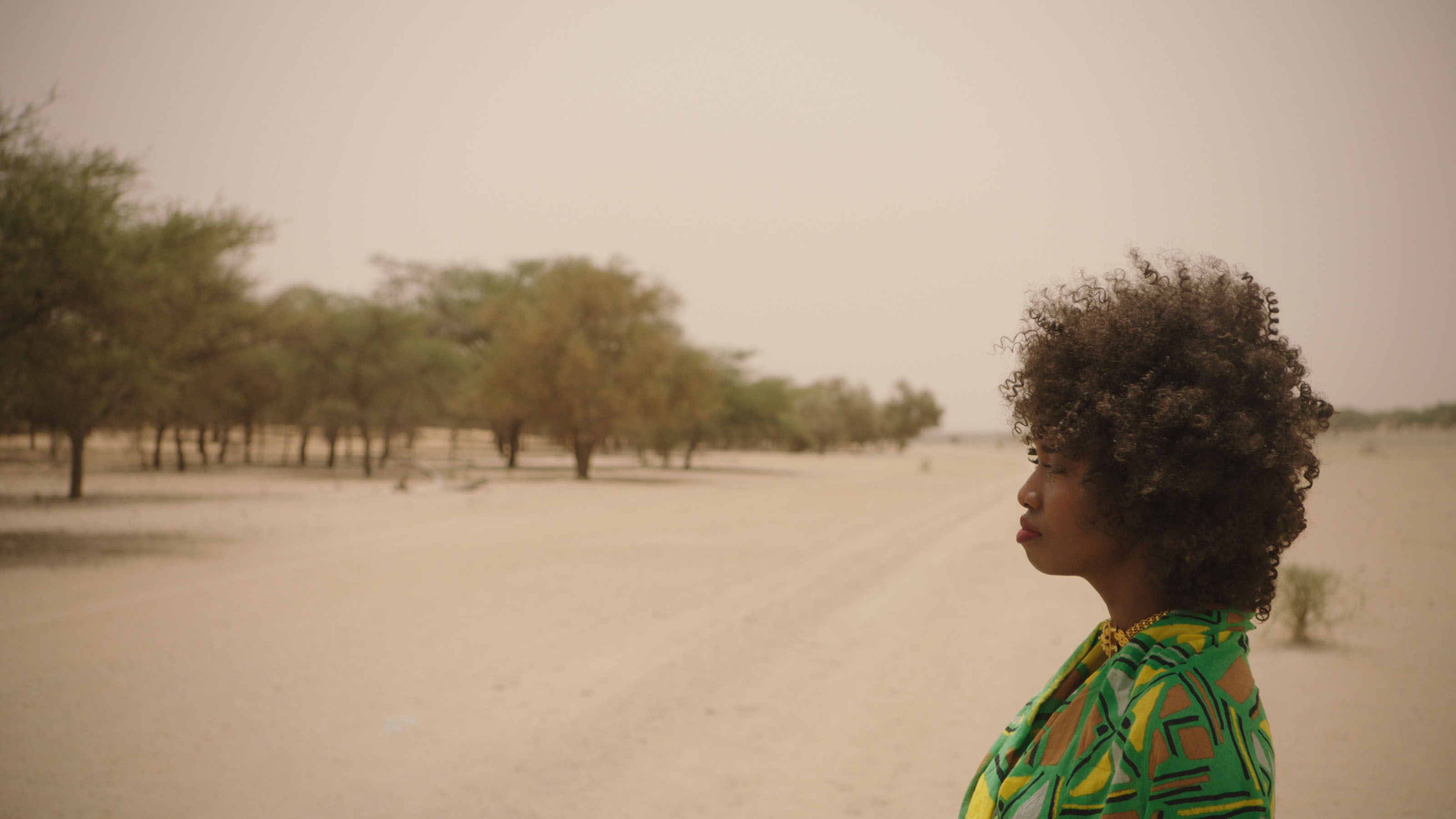
The film screened as part of DOC NYC, for which our program notes read: The effects of climate change on Africa’s Sahel region are devastating: desertification, famine, conflict, and migration. Yet hope lies in the Great Green Wall, an ambitious reforestation project spanning the continent aimed at revitalizing ecosystems and restoring economies. In this story of resilience and self-determination executive produced by Fernando Meirelles, Malian musician/activist Inna Modja journeys from Senegal to Djibouti gathering stories and sharing songs with those on the front line of the fight to save their land and their ways of life.
Select Festivals: NY Americas, Vision Maker, Middlebury New Filmmakers, Boston Women’s, American Indian, Pocahontas Reframed, LA Skins, Out of Africa
About: Profiles of Native American women who are fighting back against abuse, rape, and trafficking of their community.
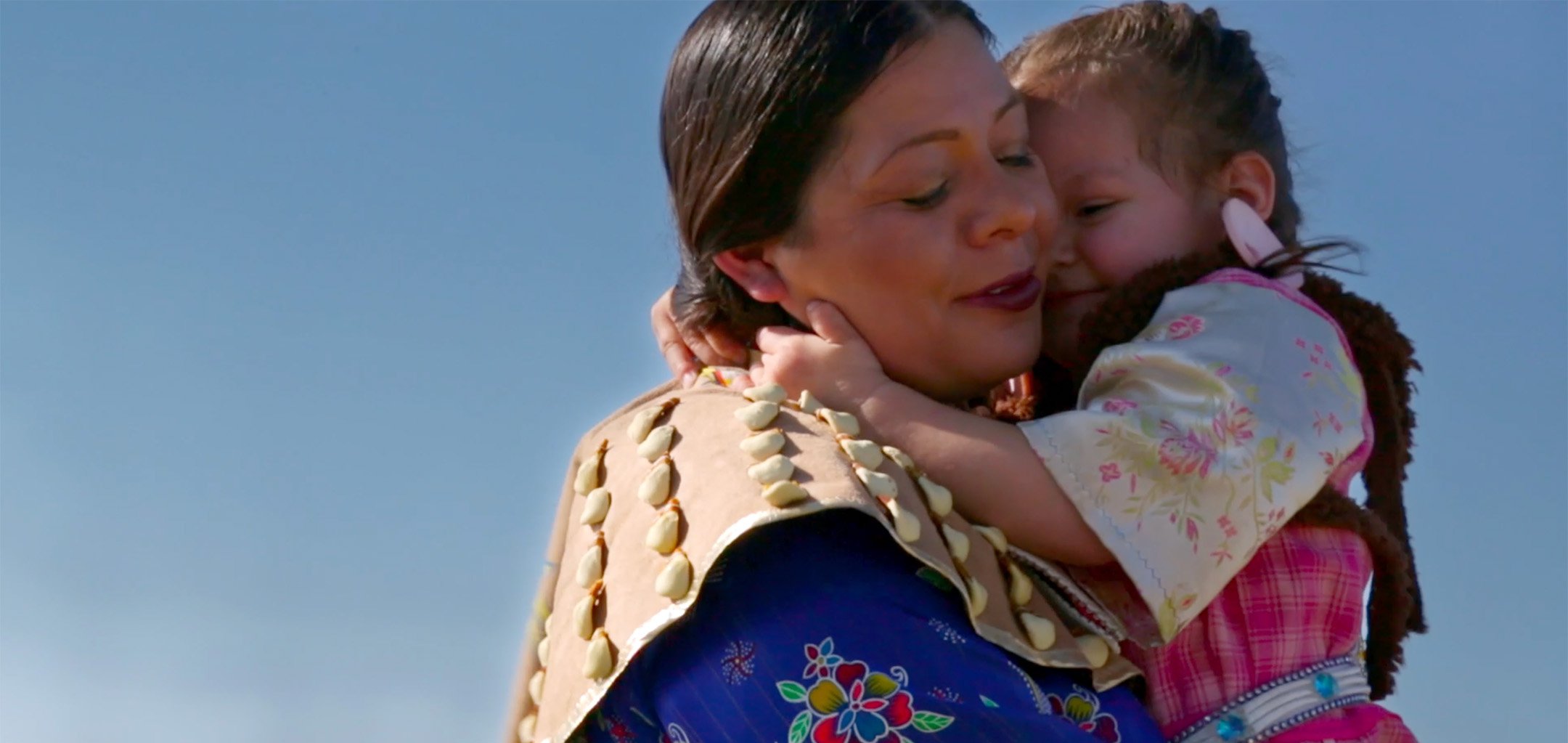
North Dakota’s Fort Berthold Reservation has seen a rise in crime rates and sexual assault cases because of its proximity to the Bakken oil field. Due to the degradation of tribal treaties and sovereignty laws, tribal authorities are not able to prosecute non-tribal members for offenses committed in Fort Berthold. Predators know this and view Native women as easy targets – Native women experience much higher rates of rape and sexual assault than non-Native women, with 86% of perpetrators being non-Native men. Willow O’Feral and Brad Heck profile six women attempting to deal with this injustice: Sarah is a lawyer, Dawn is a reservation police officer, Loreline works with rape victims, Chalsey advocates for human trafficking victims, Patty runs a self-empowerment self-defense and wellness center, and Lisa, like several, if not all, of the other women, is a survivor herself, who recounts the challenge of getting her mother to report the domestic abuse she regularly suffered at the hands of her husband. This is a worthwhile project, but one which would have benefited by being expanded to feature rather than broadcast length – in this form, none of the women’s stories is developed thoroughly enough, unfortunately.
Coming to PBS’s American Experience tonight, Monday, April 19: AMERICAN OZ
Director: Randall MacLowry, Tracy Heather Strain
World Premiere: American Experience (April 2021)
About: A portrait of L Frank Baum, best known for his popular series of children’s books that began with THE WONDERFUL WIZARD OF OZ.
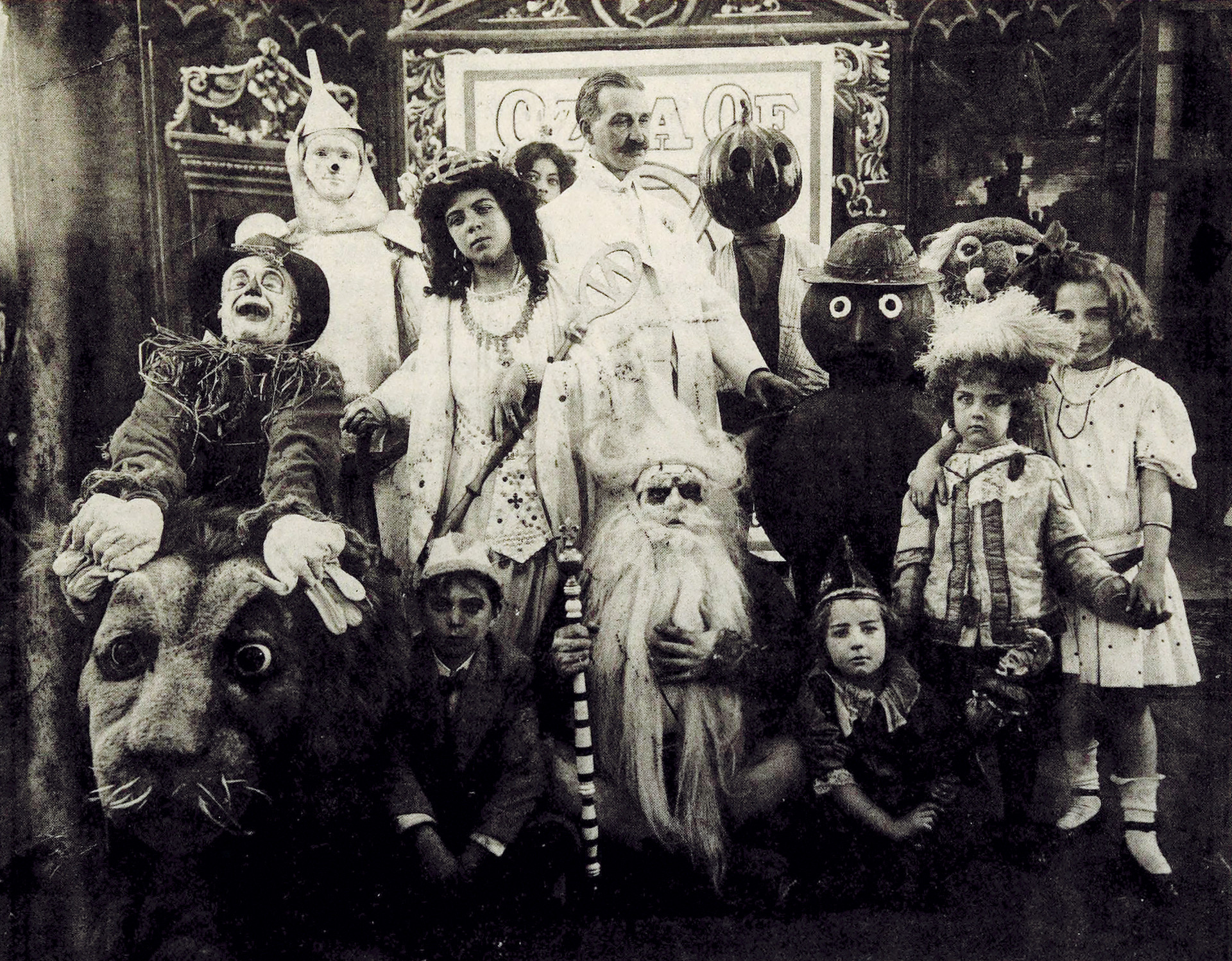
THE WONDERFUL WIZARD OF OZ was first published in 1900, becoming an instant success, and spawned more than a dozen sequels, a traveling multimedia show, a popular stage musical, several less successful silent films all in the lifetime of its creator, L Frank Baum. Of course, the most enduring version of the Oz story came in 1939, two decades after his death, with THE WIZARD OF OZ, and since then, the story has inspired further adaptations and reworkings, from THE WIZ to WICKED. Randall MacLowry and Tracy Heather Strain take a comprehensive look at Baum’s life and experiences and how they influenced the creation of his legendary children’s story. As with all entries in the venerable PBS series, their profile is informational and educational rather than particularly cinematic, presented through extensive narration and talking heads, but is successful nevertheless. The doc traces Baum’s story from a privileged upbringing through a series of entrepreneurial ventures to make his own fortune and support his family, from poultry breeder and actor to traveling salesman, general store manager, and newspaper publisher, before he was encouraged by his mother-in-law, a suffragist and author, to publish his own stories. In some ways, Baum reflected the small-minded sentiments of his times, particularly in his racist – and even disturbingly genocidal – views of indigenous people, but in other ways, surprisingly progressive, such as his support of women’s equality. MacLowry and Strain contextualize these contrasting elements, and demonstrate how they played out in his writing, from stereotypical, racialized characters on the one hand to the more positive focus on a young, empowered heroine. Further, the profile explores how OZ resonated as a distinctly American fairy tale of perseverance and achieving the American Dream, both upon its initial publication at the turn of the century and then again, notably, at the end of the Great Depression with the Judy Garland-starring MGM musical.
About: Survivors of Congo’s Six-Day War seek long-delayed compensation from their government.
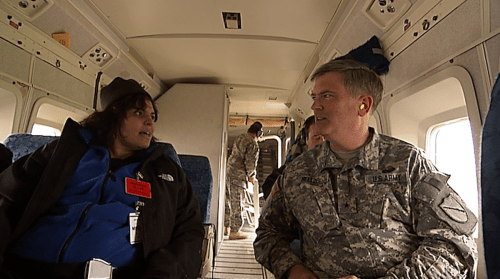
In June 2000, a conflict between neighboring Uganda and Rwanda spilled over into the Congolese city of Kisangani, resulting in death and injury to thousands. Surviving victims of this six-day conflict were promised restitution, but, as demonstrated in Dieudo Hamadi’s affecting film, they have been kept waiting for nearly two decades. The filmmaker follows a group of survivors, many missing limbs and relying on painful prosthetics, as they undertake a long journey to Congo’s capital, Kinshasa, to protest their treatment and demand action from their government. The film is strongest when focused on this trek, and the treatment these activists receive upon their arrival, but falters in its awkward inclusion of dramatized scenes from a theatre workshop involving the participants. Still, Hamadi succeeds in highlighting this injustice, little known in the West, and demonstrating the resilience and righteousness of those most impacted.
About: A portrait of a small town through its unique annual tradition: waiting for the ice to melt.
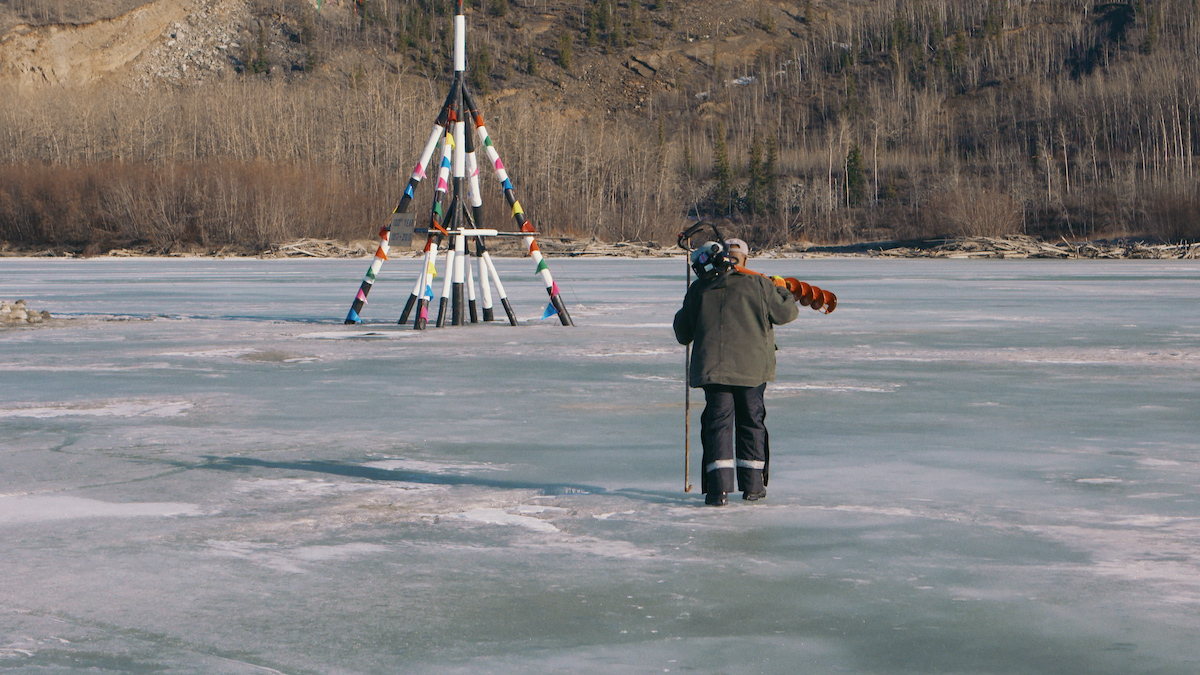
Nenana AK may be a small town with only approximately 400 residents, but its annual Ice Classic lottery has long attracted attention from across the US. Tim Kaminski’s affectionate portrait chronicles the 100th anniversary of the event, held in 2016, which includes a cash prize of over $300,000 to those entrants who correctly predict the exact date and time that the ice on the Tanana River will finally give way. Of course, the film isn’t really focused on watching ice melt, but instead uses this quirky, singular event as a way to capture small town life and profile some members of the community, including former winners and organizers of the Ice Classic, one of the only sources of work in the town. While one suspects that a short version of the film might be just as or perhaps more successful than a feature treatment, the doc remains a warm, pleasant look at a community.
World Premiere: Smithsonian American Art Museum (September 2018)
Select Festivals: Freep, San Francisco DocFest
About: The biography of a former Black slave turned celebrated self-taught artist.
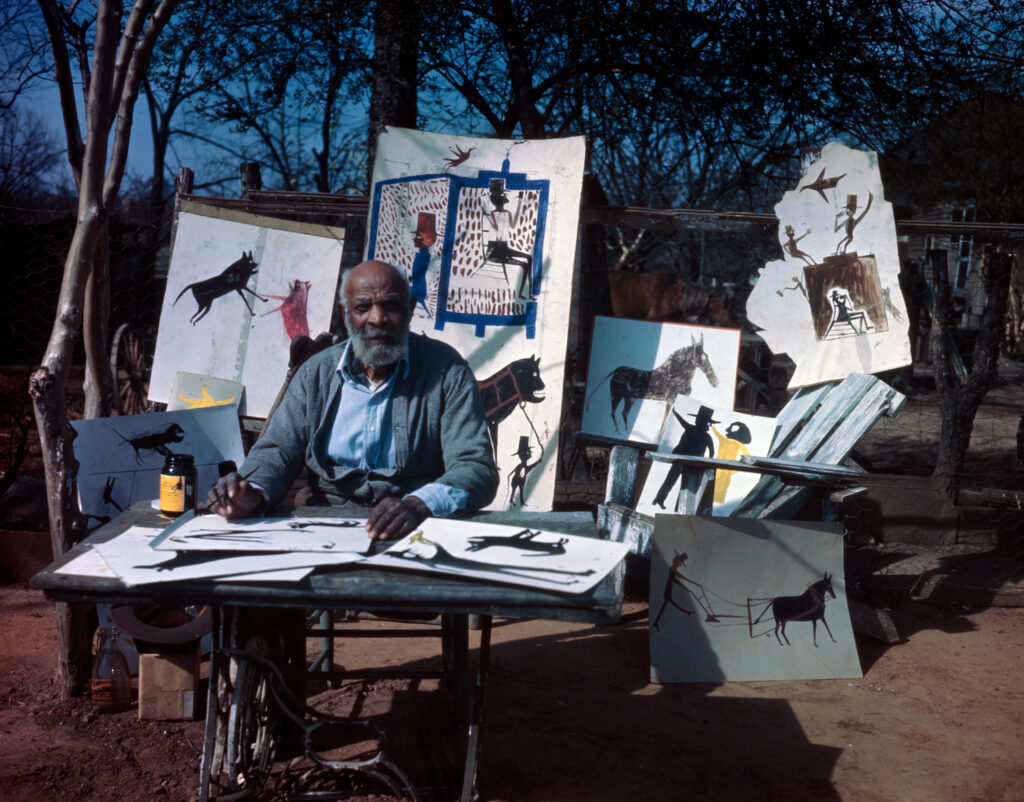
Bill Traylor was born into slavery in 1853 on a cotton plantation. It was not until his 80s when he began to express himself through art. Drawing and painting on the sidewalks of Montgomery, his work featured crude animal and human figures that at times functioned as allegorical explorations of his memories of slavery and later life experiences. This body of work has been embraced in more recent years, included in notable museum exhibitions. While Traylor’s work has its appeal, director Jeffrey Wolf’s approach to his story is an odd mix of very conventional PBS biographical portrait with artsy, would-be inventive flourishes that feel at cross purposes with the constant recitation of the prosaic details of Traylor’s life. Odd staged scenes, enacted readings of writings by Zora Neale Hurston and others, and music and dance interludes tend to distract from, rather than enrich, the appreciation of Traylor’s work.




 what (not) to doc