Select Festivals: DOC NYC, Montclair, Philadelphia
About: The illusionist’s acclaimed one-man show.
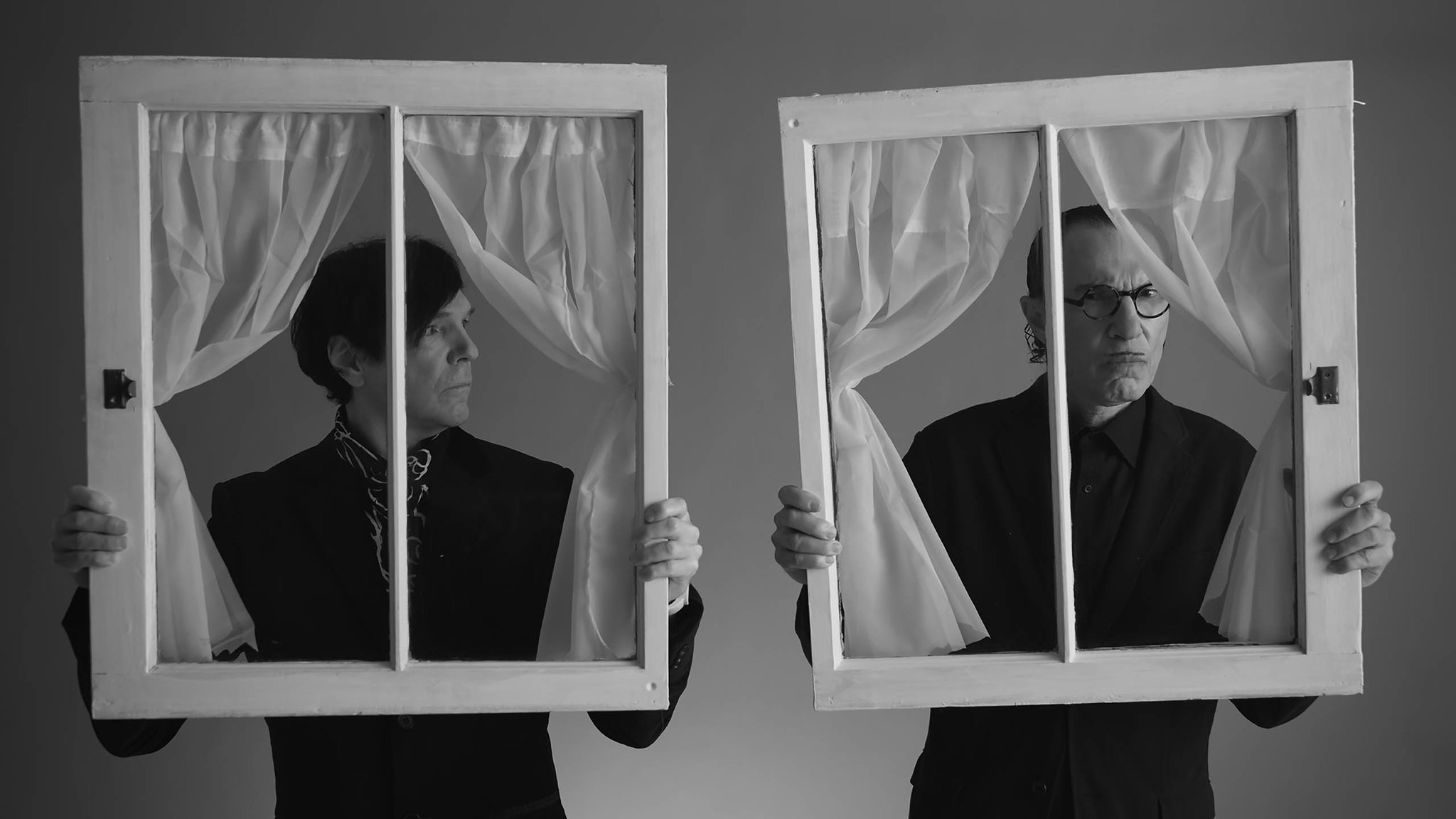
The film screened as part of DOC NYC, for which our program notes read: For more than 500 performances, Derek DelGaudio left New York City audiences moved and astonished by his one-man show combining the art of illusion and storytelling. Filmmaker Frank Oz turns DelGaudio’s intimate live performances into an unforgettable film about redemption and identity that builds with both emotion and wonder to a jaw-dropping final act. Now that live performance has been drastically curtailed by the pandemic, the chance to be immersed in this one-of-a-kind experience feels all the more precious.
Coming to virtual cinemas today, Friday, January 22: NOTTURNO
Director: Gianfranco Rosi
World Premiere: Venice 2020
Select Festivals: Toronto, IDFA, New York, London, Reykjavik, AFI Fest, Chicago, El Gouna, Busan
About: An atmospheric immersion into life in the shadow of ISIS.
Filming for several years in the fringes of Iraq, Kurdistan, Syria, and Lebanon, acclaimed Italian filmmaker Gianfranco Rosi crafts a meditation on everyday existence despite the trauma and legacy of unrest and devastation wrought by ISIS and other forces. As in his other recent films, Rosi is not particularly concerned with identifying or developing individual subjects; instead, he provides viewers with more panoramic glimpses of various Everymen, traversing borders without identifying exact locations. Scenes follow in quick succession of military troops on the march, bereaved mothers, boys fishing and hunting, a couple enjoying a relatively quiet moment on a rooftop, children in therapy sessions, psychiatric patients rehearsing a play. Some figures recur, others are seen only once. Conflict is always present, whether immediate or hovering in the periphery. While the film is unquestionably artfully composed, presenting striking, and occasionally indelible, images, its meditative, associative collage approach ultimately tempers its impact.
About: A mother sentenced to death for killing her own young daughter faces her last appeal.
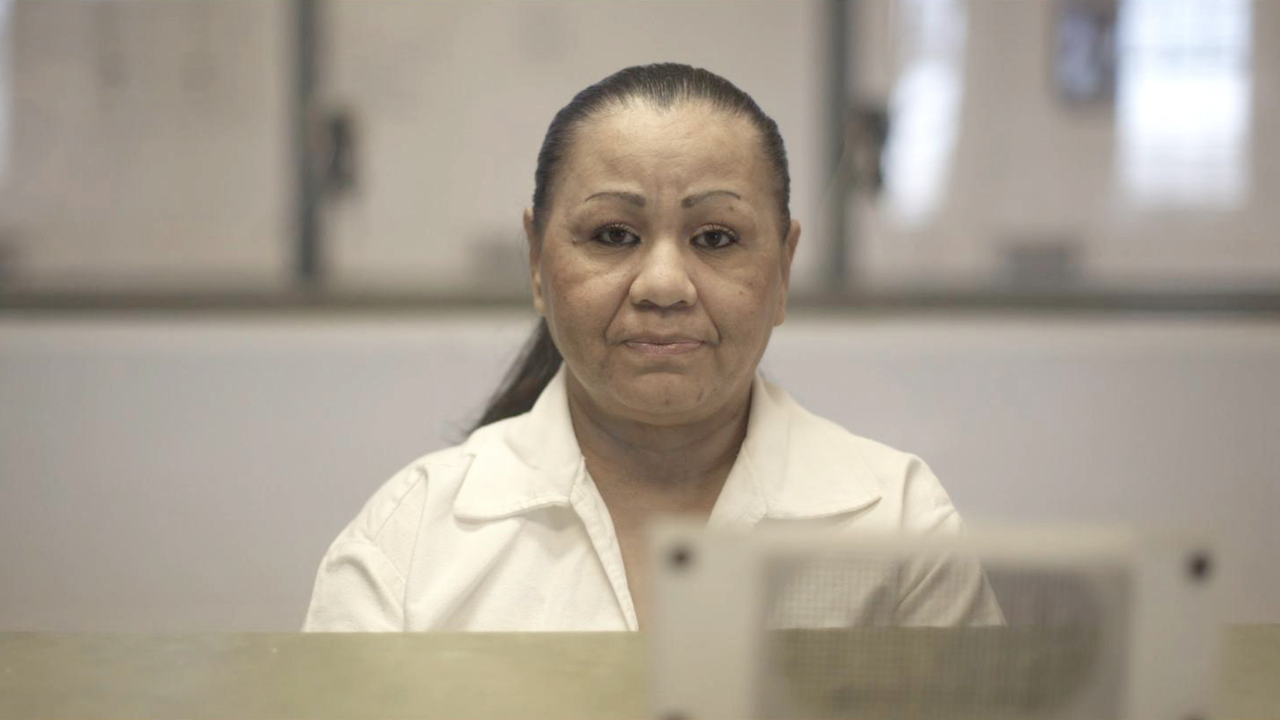
In 2007, after hours of police interrogation, Melissa Lucio confessed to killing her two-year-old daughter, Mariah. Absent this confession, Texas state prosecutors had no direct evidence linking Lucio to her daughter’s death – no witnesses and no history of violence or abuse. What they did have was a poor woman of color with 14 children and a drug problem, and, facing a public outraged by the recent mishandling of a case involving a murderer, the need to show they were tough on crime. While it would not be surprising if Lucio claimed her confession was coerced under duress of incessant interrogation – a frequent cause for false confessions – the situation is not as clear as it might be in director Sabrina Van Tassel’s telling. There’s also the parallel explanation that Lucio voluntarily provided the false confession to protect one of her other daughters, who apparently hated her younger half-sister and was witnessed hurting her at other times. There’s a record that Lucio’s defense attorney knew about this possibility but suppressed it, but this theory is never conclusively established as Lucio’s reasoning. Instead, it’s one of several issues that Van Tassel brings up, including a crooked DA, the possibility that the medical examiner misread the damage to Mariah’s body and jumped to conclusions of abuse, and the systemic racial biases in the criminal justice system that put Lucio at an immediate disadvantage. That there was likely a miscarriage of justice in Lucio’s case seems clear, but the film’s storytelling remains frustratingly unfocused.





 what (not) to doc