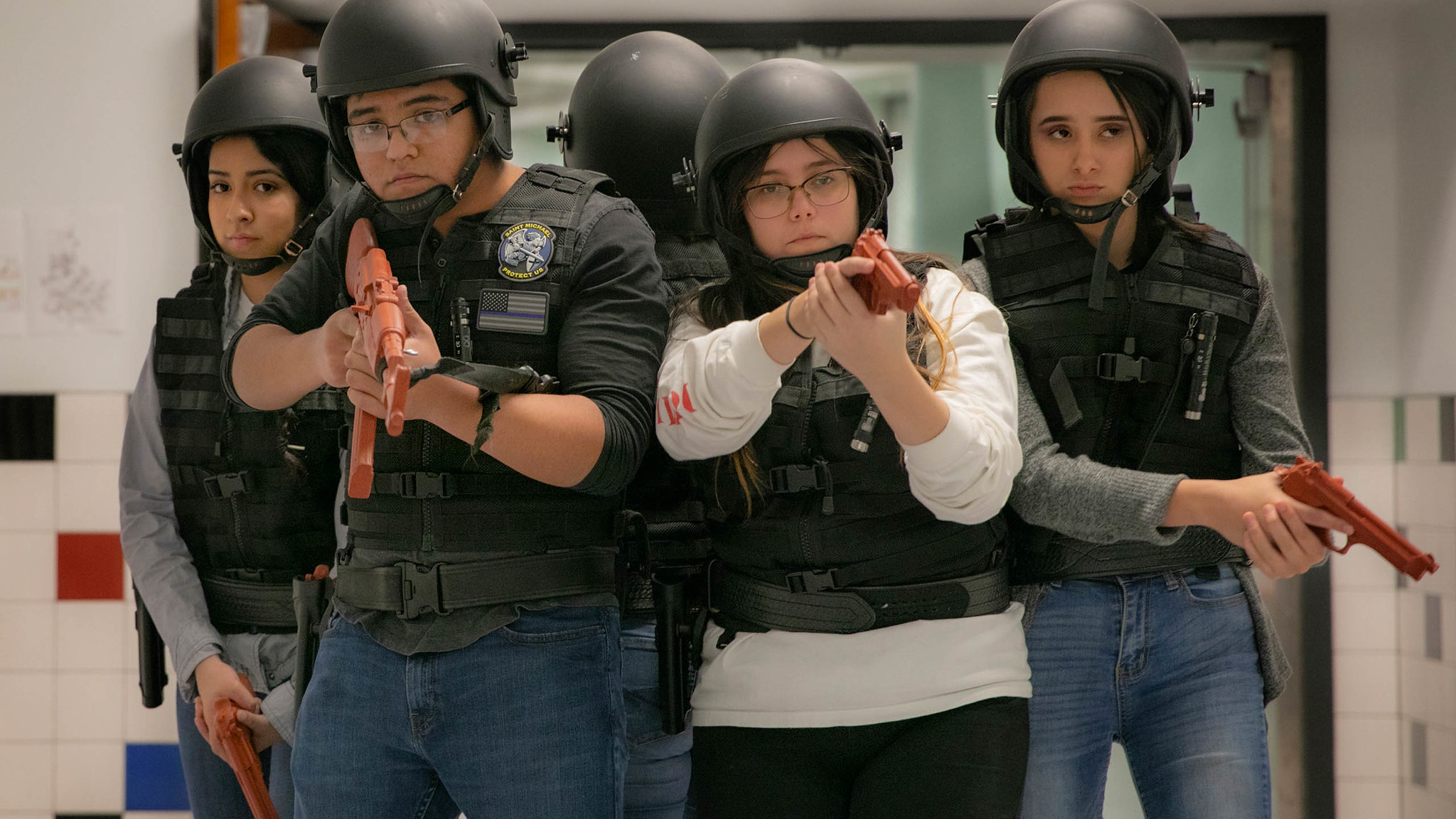
AT THE READY Maisie Crow profiles Latinx teens in El Paso as they contemplate careers in border patrol and law enforcement against the backdrop of increasing xenophobia.
The 37th Sundance Film Festival takes place later this month, running January 28-February 3 both online and via satellite screens, with a lineup consisting of 71 features, 50 shorts, 4 episodics, and 14 exhibitions, performances, and VR experiences.
Once again, as I’ve done since 2011’s festival, I’ll profile each of the more than 30 feature and long-form episodic documentaries in advance of the festival, beginning tomorrow.
Please note: These are not reviews. As a Documentary Programming Associate for Sundance, I recommend every film in the 2021 lineup. These profiles instead provide background about the teams behind this year’s docs in anticipation of the festival and the films’ later release. For a sample, check out last year’s series, which began here.
Select Festivals: Hot Docs, AFI Docs, CAAMFest, Los Angeles Asian Pacific
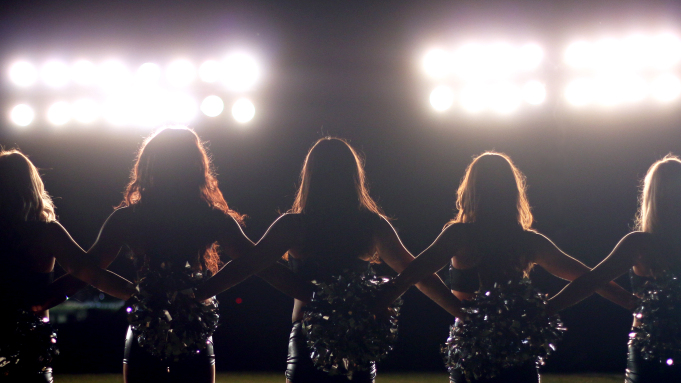
About: Cheerleaders face off against the NFL for fair wages.
Football is a lucrative industry, but the compensation provided to scores of cheerleaders bolstering the game doesn’t come anywhere close to reflecting that reality. While some teams have strictly volunteer squads, even those with salaries are typically paid far below minimum wage, often going without pay for months at a time, and responsible for covering their own costs, including travel, with penalties incurred for absences. Filmmaker Yu Gu profiles Oakland Raiderette Lacy Thibodeaux-Fields and Buffalo Jills’ Maria Pinzone, two former cheerleaders who decide that enough is enough and take to the courts to argue against this exploitation and wage theft. While it would seem a given that individuals should be fairly compensated for their work, entrenched sexism instead leads to a backlash, not only from stereotypical chauvinists too eager to dismiss the work of women, but also from female fans and, surprisingly, past and current cheerleaders, who parrot an outdated, self-defeating belief that women should just feel lucky to be given the opportunity to participate in the first place. Though Gu struggles to maintain focus on the core issues of her film, keeping extraneous material even in the broadcast cutdown, she succeeds in spotlighting inequity and sexism in sports, and the impact of Thibodeaux-Fields and Pinzone’s determination against the backdrop of the emerging #MeToo and Time’s Up movements.