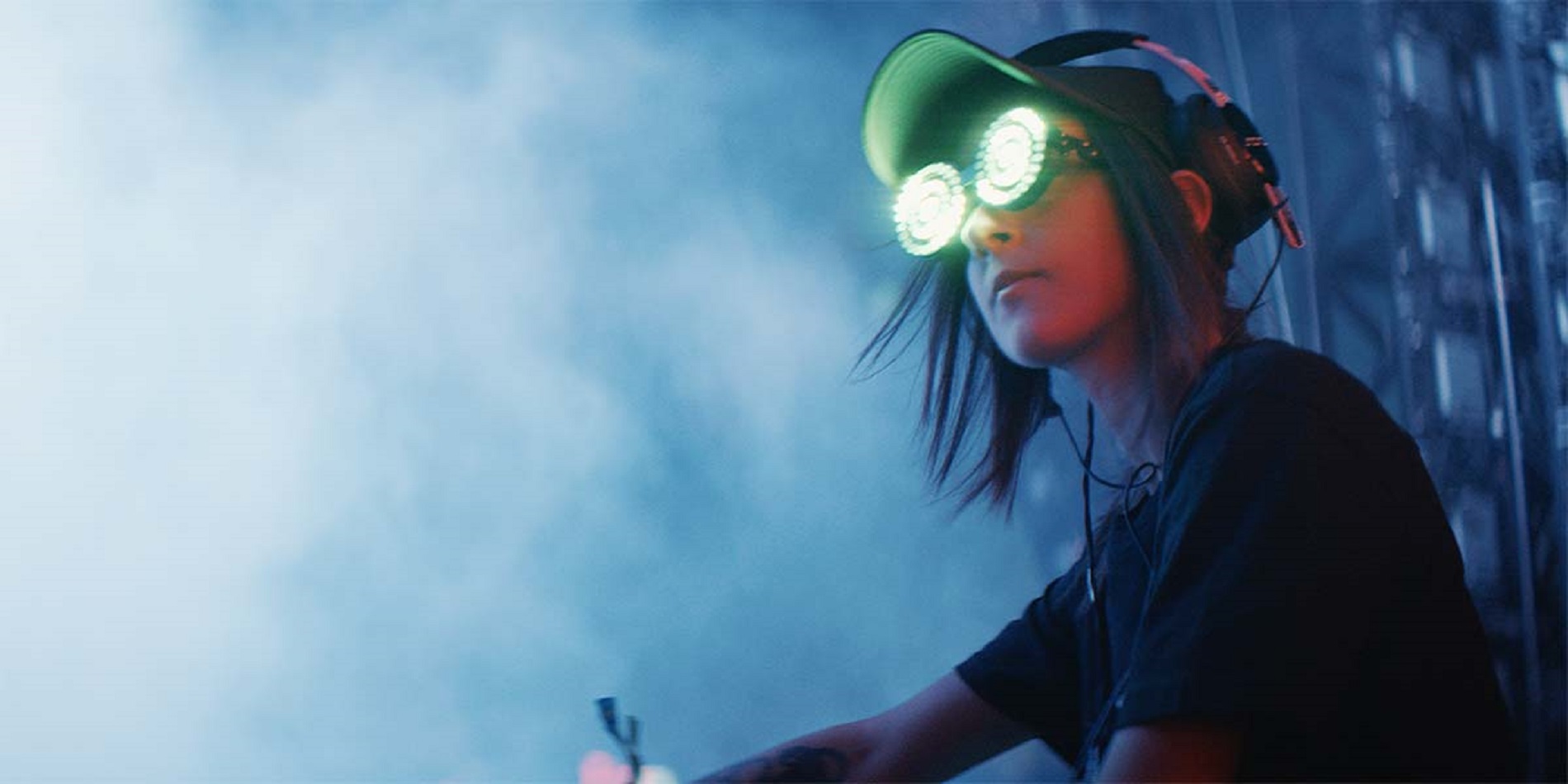
About: An exploration of gender inequality in the electronic music world.
Electronic dance music, or EDM, has long been wildly popular around the world, attracting millions of fans, particularly at concert and festivals. As demonstrated in Stacey Lee’s illuminating and well-produced film, however, it has been overwhelmingly dominated by straight white men – despite the contributions of women and people of color both historically and in the present day. Focusing primarily on gender inequality, the doc offers significant statistical and anecdotal evidence to show how women have rarely been booked at festivals or recognized on tastemakers’ lists, perpetuating a chauvinistic, self-fulfilling status quo cycle of marginalization. Lee’s project is decidedly survey in approach, which permits her to profile a broad range of female DJs, performers, and pioneers, but at the same time limits her to only providing brief sketches when some figures clamor for more development. Still, the project fulfills its mission as an informative call to action, for the already converted and the uninitiated alike.
Coming to select theatres, virtual cinemas, and VOD today, Friday, March 5: STRAY
Director: Elizabeth Lo
World Premiere: Tribeca 2020 (unscreened)
Select Festivals: DOC NYC, Hot Docs, London, Bergen, RIDM, Stockholm, San Diego Asian
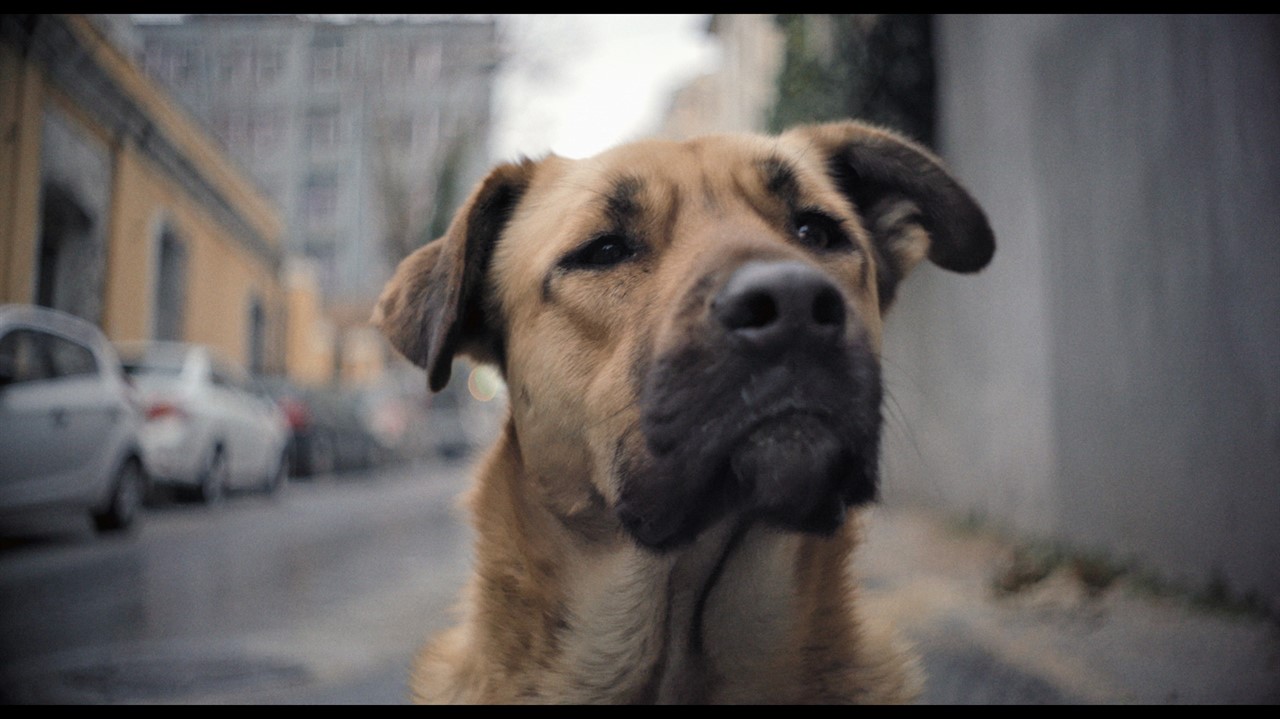
About: A dogs’-eye view of Istanbul.
The film screened as part of DOC NYC, for which our program notes read: In Istanbul, stray dogs are an everyday part of the fabric of the community, belonging to no one and everyone at the same time. Among them are the expressive, independent Zeytin; the friendly Nazar; and the shy puppy, Kartal. But the Turkish city is home to human strays as well, as Zeytin and her friends bond with a trio of young Syrian refugees. Elizabeth Lo’s assured feature debut tracks the canines through the city’s streets, capturing their experiences and generating deep empathy without resorting to simple anthropomorphism.
Coming to virtual cinema via Kino Marquee tomorrow, Friday, March 5: FTA
Director: Francine Parker
World Premiere: Theatrical release (July 1972)
About: A chronicle of the controversial anti-Vietnam War political vaudeville tour of American military bases, fronted by Jane Fonda and Donald Sutherland.
Restored and re-presented with a new introduction by Jane Fonda providing essential context, Francine Parker’s scrappy if somewhat shambolic film initially ran for only a week in its original release before public outrage removed it from theatres. The doc follows the FTA show – its initials standing for either “Free the Army” or “Fuck the Army,” depending on how riled up the performers got – a 1970s agitprop collective that was developed to support the sizeable and growing voice of anti-war soldiers. Obviously unable to play on military bases, the tour instead performed in towns just outside, drawing servicemen and women with explicitly anti-war messages – a deliberate alternative to Bob Hope’s jingoistic – and often sexist – USO tours. Parker’s film alternates between footage of the skits, songs, and spoken word performances by the likes of Fonda, Sutherland, Holly Near, and, especially, folk singer/civil rights activist Len Chandler, with vox pop interviews with disgruntled and straight-talking soldiers. Speaking frankly, as a film, it’s all a bit messy, but there’s no denying its energy and power, making the project and its reissue a worthwhile reminder of the activism that sprung up around the deeply unpopular Vietnam War – and the pivotal influence active military played in the anti-war movement.
Select Festivals: DOC NYC, IDFA, Cannes, Telluride, Toronto, New York, San Sebastian, Zurich, Hamptons, Mill Valley, El Gouna, Aspen, Taipei Golden Horse, Thessaloniki Doc, Stockholm, Singapore
Notable Recognition: The doc has been shortlisted for the Academy Awards.
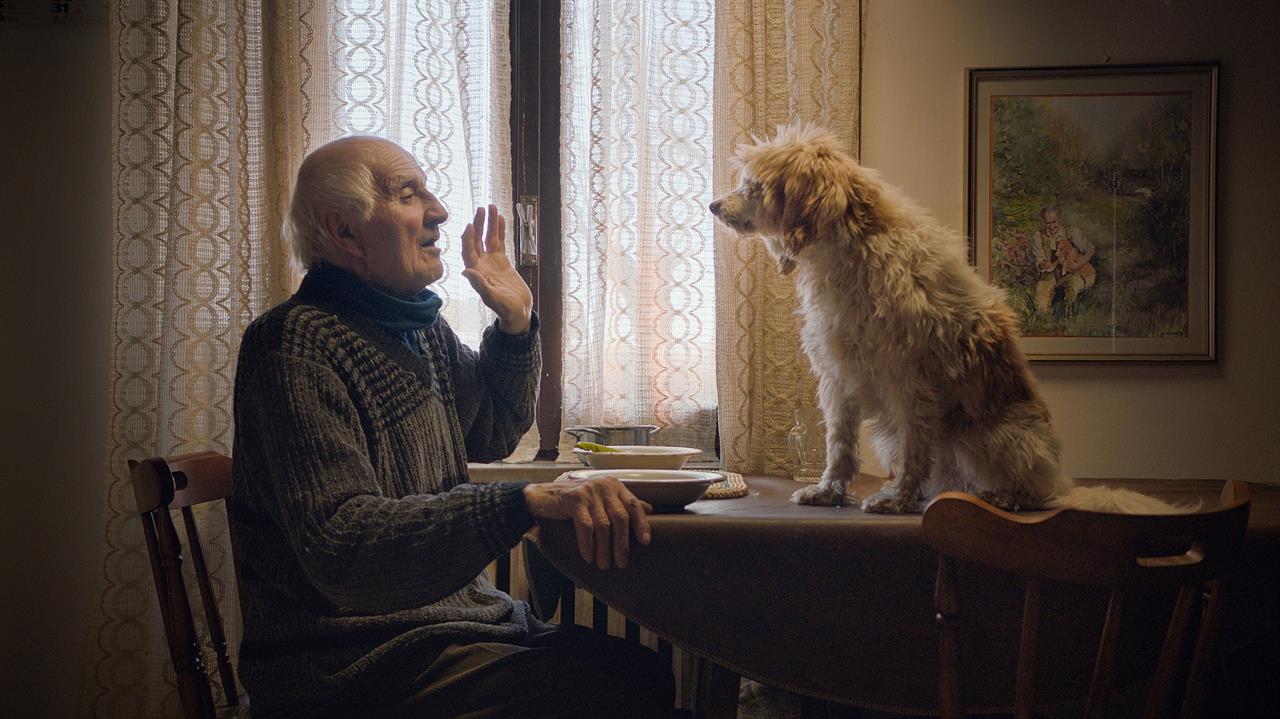
About: Enter the secretive world of the only people–and dogs–who are able to find the elusive white Alba truffle, the most expensive ingredient in the world.
My pre-Sundance profile of the doc may be found here.
About: A portrait of the acclaimed author as he confronts writer’s block, late fatherhood, and his legacy.
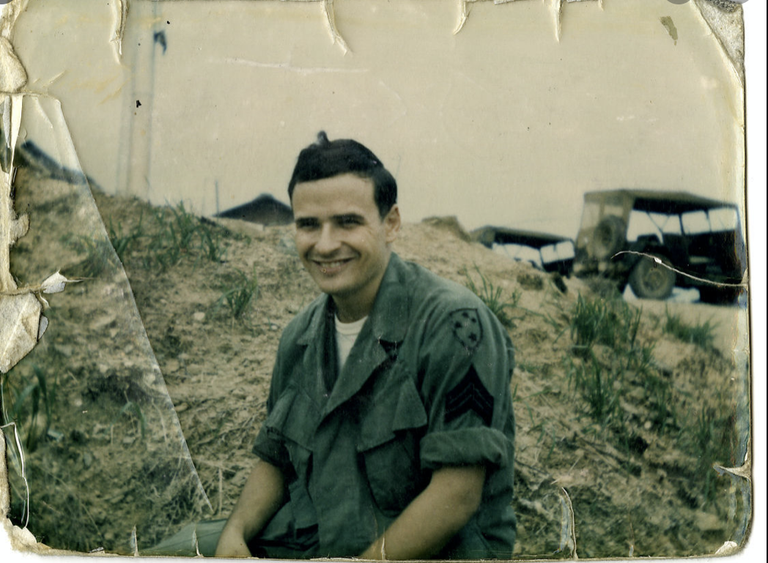
Beginning in 1973, Tim O’Brien published several books, many exploring the experiences of veterans, inspired by his time in Vietnam, including such heralded work as THE THINGS THEY CARRIED. His last published work was in 2002, however, as O’Brien put his typewriter away to focus on fatherhood. As Aaron Matthews’ film begins, O’Brien, in his early 70s, has made the decision to return to writing in order to pen what will likely be his last book, a project that is directed to his pre-teen sons. Through the course of the film, the author wrestles with his craft while considering his legacy: Staunchly anti-war, he is known for his writing about war, but despite his best intentions to expose the toll of waging war, O’Brien finds his efforts futile. When he has spoken about his experiences in Vietnam on college campuses, he has inadvertently inspired young men to enlist. Matthews largely focuses on the author’s present-day concerns – his current project, his relationship with his wife, and, especially, his concerns about how his impending mortality will impact his relationship with his sons – and could have delved a bit deeper into O’Brien’s past. That said, the impact of Vietnam, his upbringing with an alcoholic father, and his early career success does help to provide context to O’Brien’s story, and makes this a more rounded and satisfying portrait.