Basil Tsiokos is a Senior Programmer for the Sundance Film Festival, focusing on nonfiction features. He was most recently with DOC NYC for nearly a decade, where he served as Director of Programming since 2014, and with the Nantucket Film Festival as its Film Program Director. Prior to those positions, Basil was the longtime Artistic and Executive Director of NewFest. He has been affiliated with Sundance since 2005 as a Programming Associate. Basil serves on the feature nominating committees for the International Documentary Association Awards and Cinema Eye Honors. He has written about documentaries daily since 2010 on what (not) to doc. Basil holds a Masters degree from New York University and two undergraduate degrees from Stanford University.
About: Co-presented by Film at Lincoln Center and The Jewish Museum, the event goes online this year with eight docs among its offerings of 16 new features.
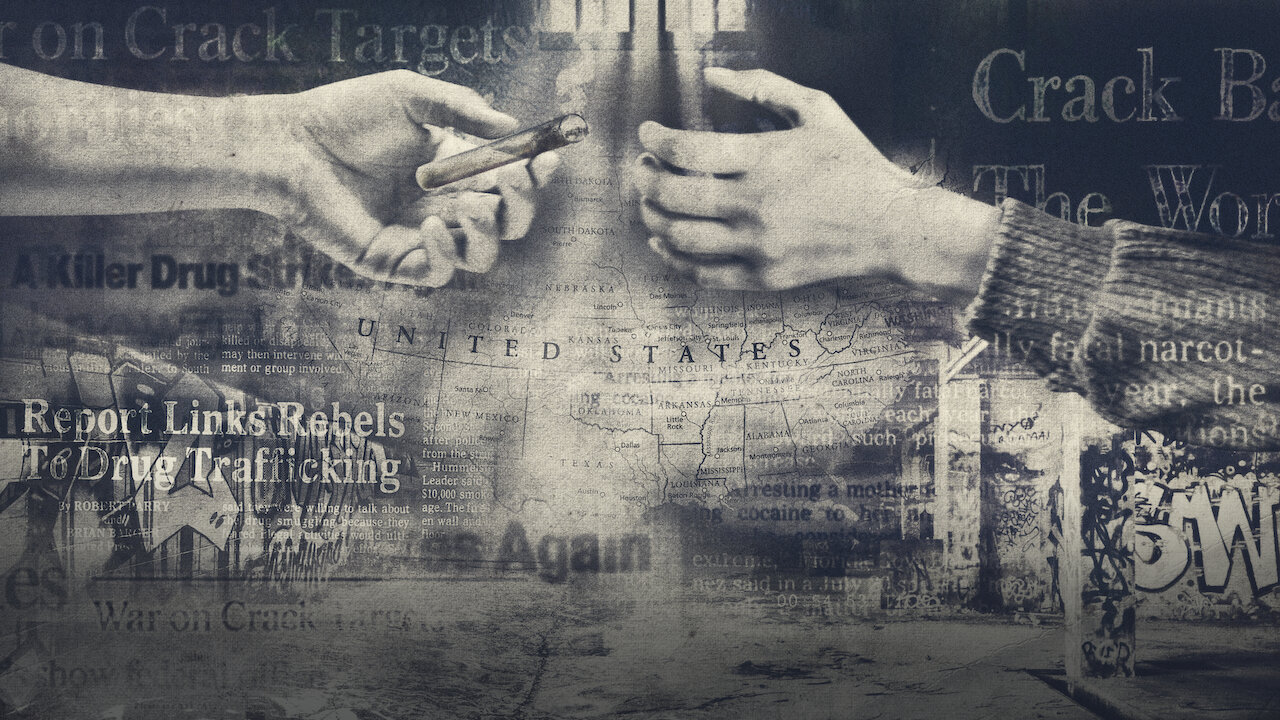
About: A provocative investigation of the crack epidemic of the 1980s-’90s.
America’s ill-conceived and ineffective “war on drugs” ramped up under Ronald Reagan and George HW Bush in the 1980s, largely as a response to crack. Draconian laws punished dealer and user alike, resulting in mass incarceration, disproportionately affecting people of color and laying siege to their communities and families, with the parallel militarization of the police. While crack use was hardly limited to Black people, with some estimating that as many as two-thirds of users were actually white, law enforcement and the media largely ignored the latter, instead demonizing people of color. Acclaimed documentarian Stanley Nelson revisits the origins of the crack epidemic and explores its legacy, offering astute historical and cultural context for how and why crack emerged and became central to mainstream, racist narratives of Black criminality and the expansion of the prison industrial system.
Coming to PBS’s American Experience tonight, Monday, January 11: THE CODEBREAKER
Director: Chana Gazit
World Premiere: American Experience (January 2021)
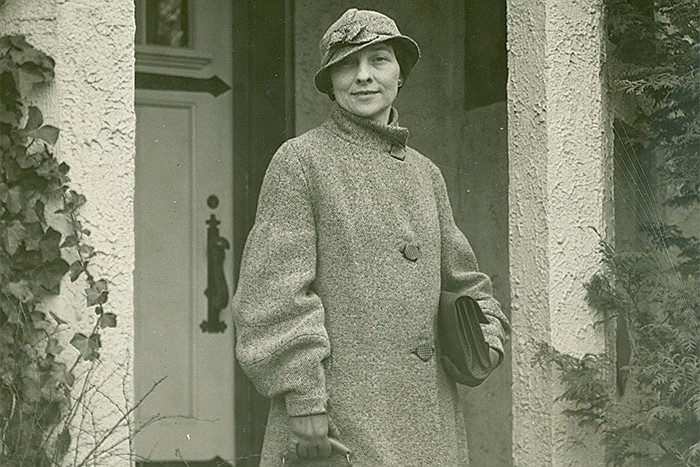
About: The recently declassified story of an unheralded female cryptanalyst who was instrumental in America’s war effort against Nazi Germany.
Elizebeth Smith Friedman would tell people that during WWII, she held an unassuming role in the US Navy. The truth would not come out until decades after her death, when classified documents would reveal the pivotal role she played as a codebreaker, responsible for foiling Nazi plans to torpedo essential supply ships and for exposing an extensive espionage ring in Latin America. As Chana Gazit’s biography reveals, Friedman was not always out of the public eye, however – she gained a fair amount of celebrity in the 1930s when she was tasked by the US Coast Guard to lead a codebreaking unit to decrypt messages used by organized crime leaders transporting alcohol during Prohibition, and later served as chief witness during the trials that followed against the gangsters. But, during WWII, in the men’s world of the military, despite her expertise in cryptanalysis, Friedman was not permitted to lead her own unit, so she was overshadowed by less experienced men, and her contributions kept strictly classified. Though she would lay the foundation for the NSA, there was no place for her postwar. While Gazit’s film follows the dry American Experience house style, it nevertheless succeeds in giving Friedman her long deserved recognition.







 what (not) to doc