Select Festivals: SXSW, Sheffield, AFI Fest, Punto de Vista, Dublin Feminist, Tampere, Jihlava
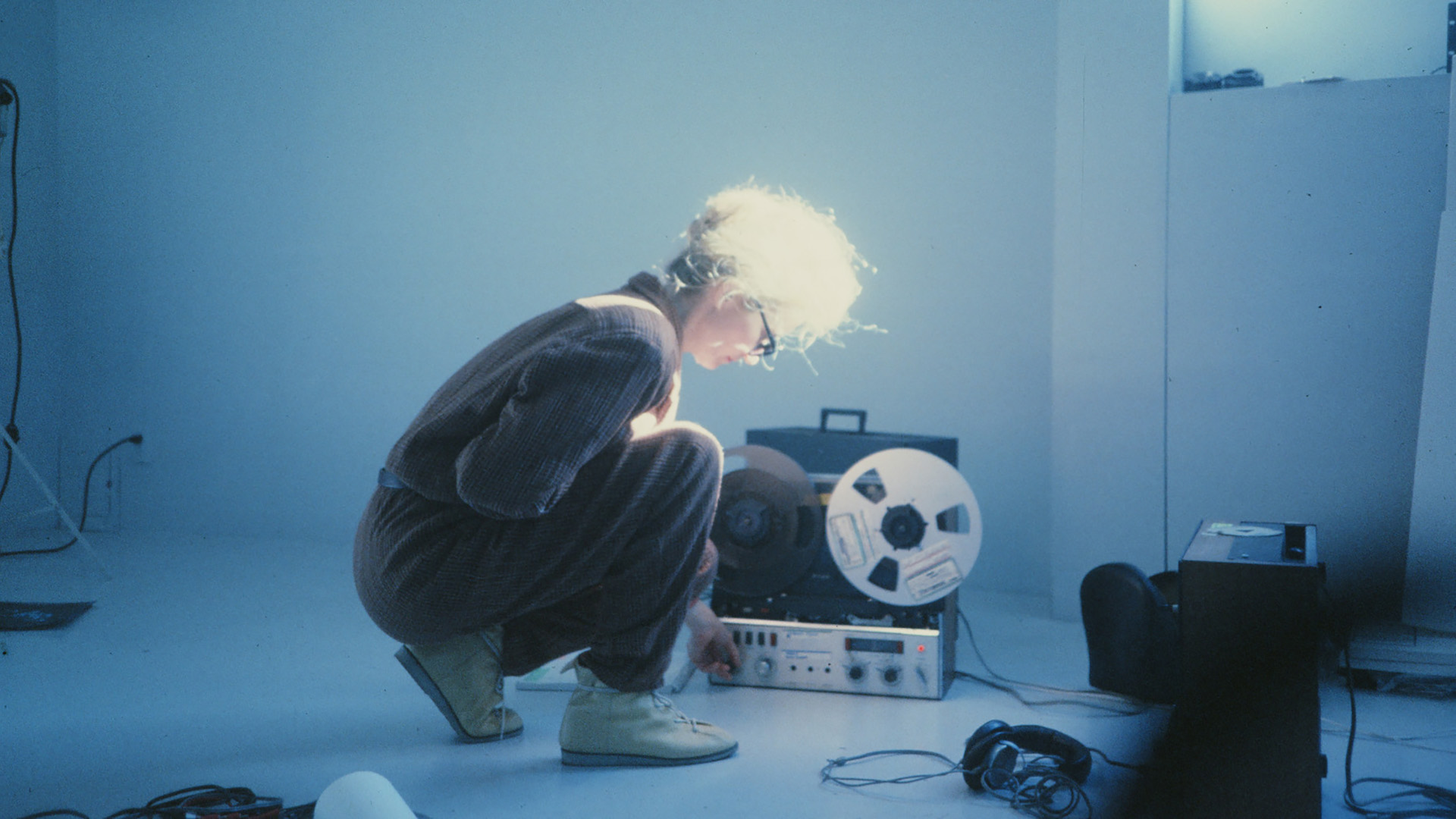
About: An exploration of the pioneering influence of women on electronic music.
Faced with a lack of opportunities and often blatant sexism in the music field, many female composers turned to the non-mainstream world of electronic music to carve out their own niche. Even so, few of these pioneers have been given their due, and none is particularly well known, not even within the niche. Lisa Rovner aims to change that with this project, which functions mostly as a primer on the topic rather than an in-depth study. She puts the spotlight on several women to explore the history and development of electronic music through a distinctly female-focused lens. Though limited in its scope – its subjects are all white women, primarily American, and some receive more space than others – the film proves an informative corrective. Pointing out blind spots and intentional omissions in how the story of music has traditionally been told, Rovner’s doc should inspire curious viewers to seek out the wider story.
Select Festivals: DOC NYC, Florida, USA Film Festival, Calgary Underground
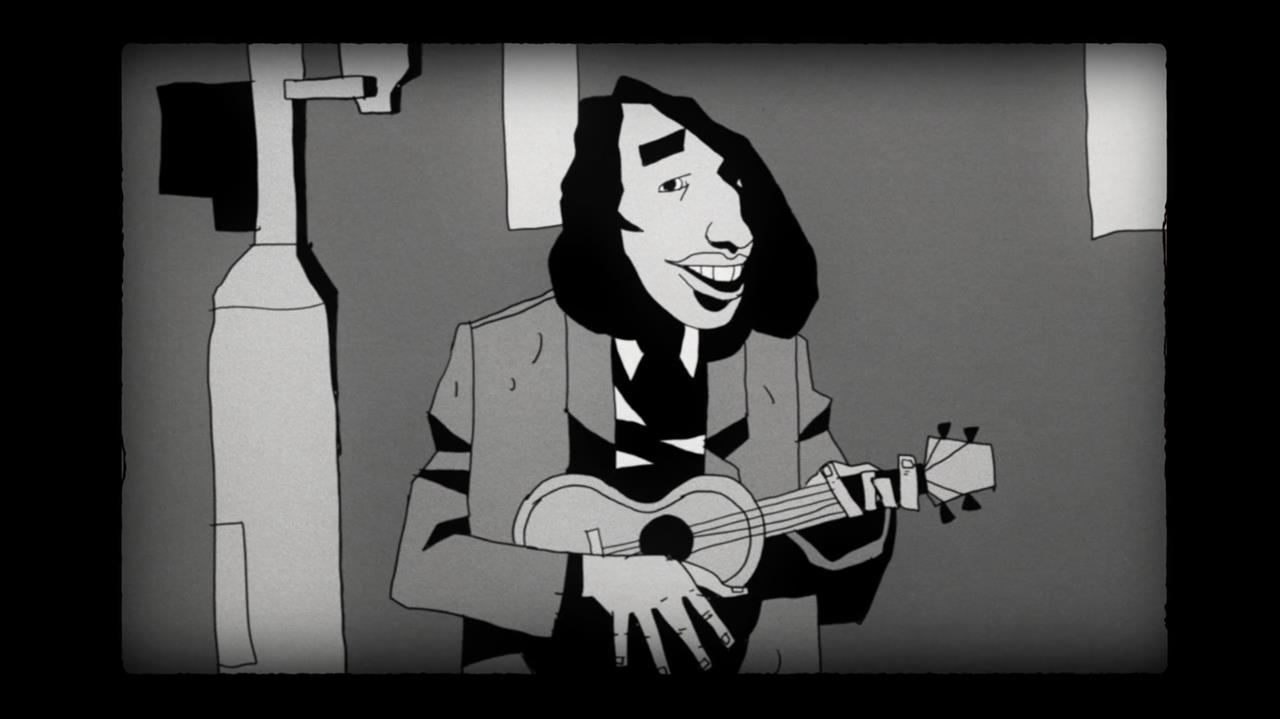
About: A portrait of the eccentric performer.
I previously wrote about the film for DOC NYC’s program, saying: For a brief but wondrous time in the late 1960s, Tiny Tim was, improbably, a household name. Generating attention for his distinctive falsetto vocal stylings and unusual appearance, the performer began appearing on various television programs, culminating in his wedding on The Tonight Show, which was watched by more than 40 million people. For Tiny Tim, born Herbert Khaury, it was the fulfillment of a lifetime’s dream to find love and acceptance, but his fame would prove heartbreakingly fleeting.
About: German auteur Ulrike Ottinger constructs a memoir tracing the influence of the time she spent living in Paris in the 1960s.
The film screened as part of DOC NYC, for which our program notes read: An epic self-portrait of Ulrike Ottinger, one of Germany’s most prominent contemporary avant-garde artists, known for her paintings, photographs, and, above all, her films. An impressive and extensive archive of sensorial memories, historical photographs, and documentary footage traces the early influences of Ottinger’s life in Paris in the 1960s. This was a time marked by her integration into the rich intellectual and cultural circles of the city, but also engagement in the political and social eruptions around the Algerian War and May 1968. These varied dimensions of her experience make this film an essential historical time capsule, beautifully interwoven with the most precious of memories and images.
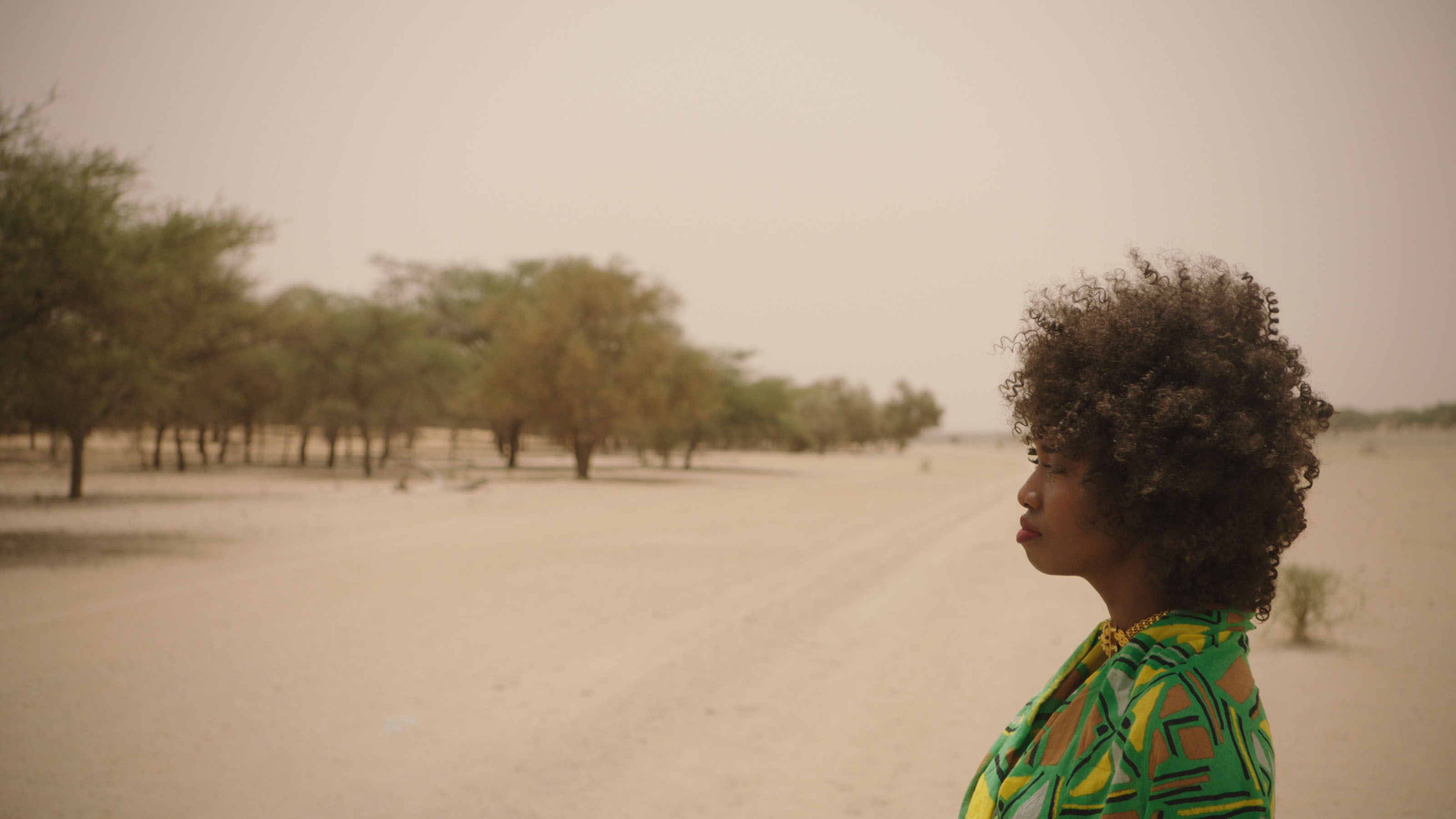
About: A life-giving project aims to plant trees across Africa.
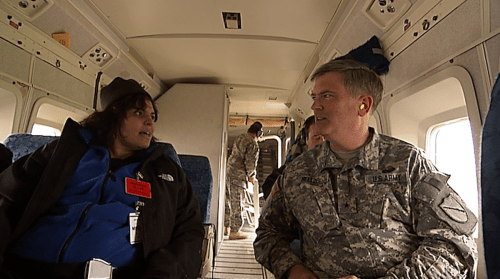
The film screened as part of DOC NYC, for which our program notes read: The effects of climate change on Africa’s Sahel region are devastating: desertification, famine, conflict, and migration. Yet hope lies in the Great Green Wall, an ambitious reforestation project spanning the continent aimed at revitalizing ecosystems and restoring economies. In this story of resilience and self-determination executive produced by Fernando Meirelles, Malian musician/activist Inna Modja journeys from Senegal to Djibouti gathering stories and sharing songs with those on the front line of the fight to save their land and their ways of life.
Select Festivals: NY Americas, Vision Maker, Middlebury New Filmmakers, Boston Women’s, American Indian, Pocahontas Reframed, LA Skins, Out of Africa
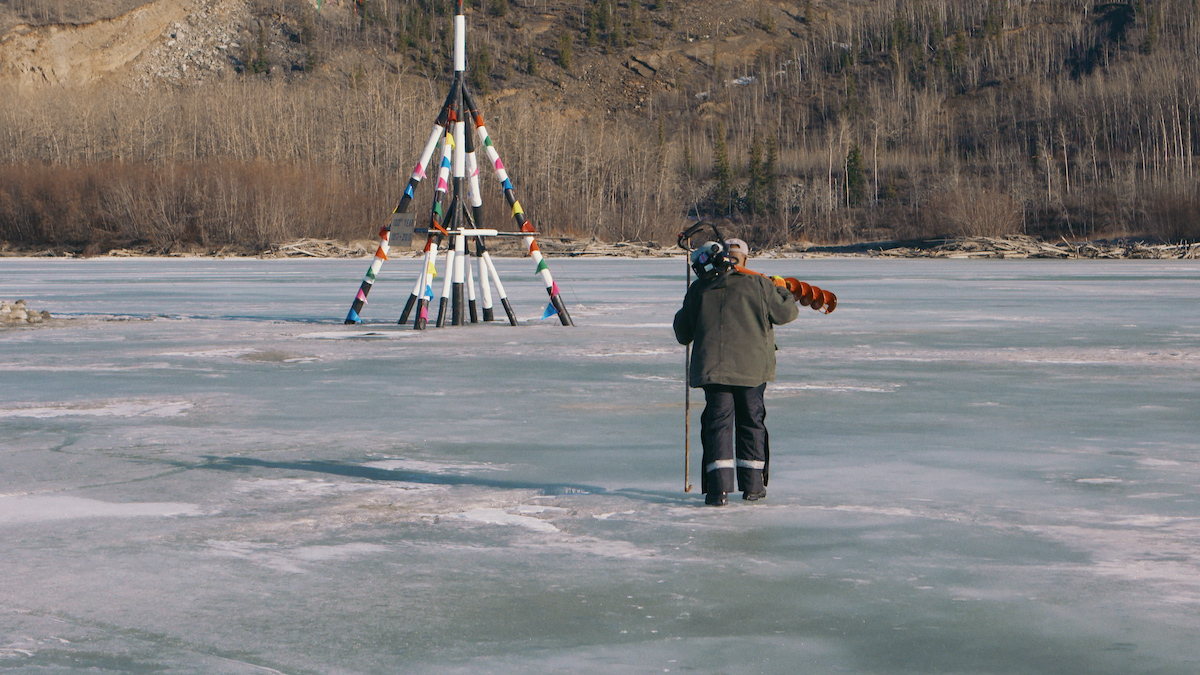
About: Profiles of Native American women who are fighting back against abuse, rape, and trafficking of their community.
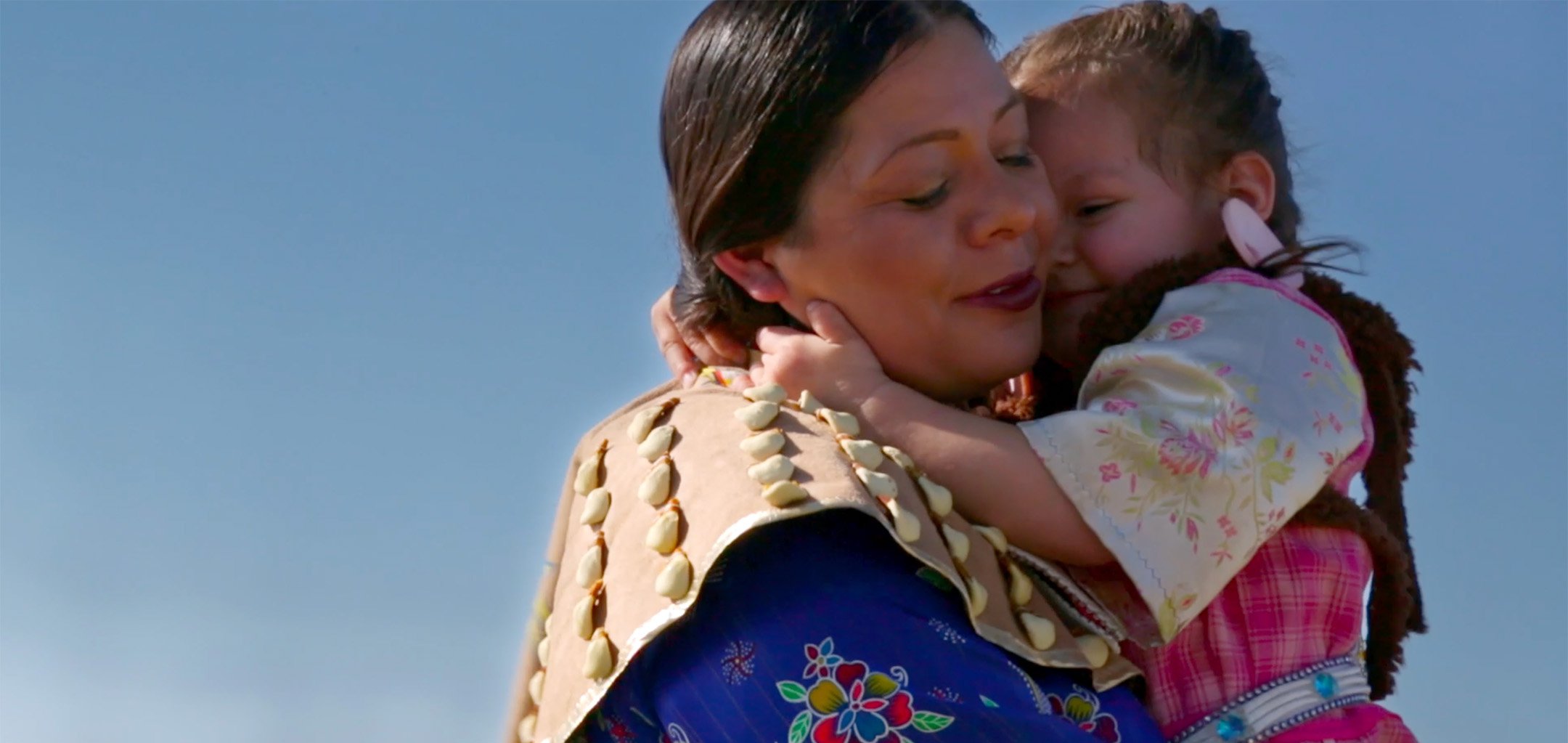
North Dakota’s Fort Berthold Reservation has seen a rise in crime rates and sexual assault cases because of its proximity to the Bakken oil field. Due to the degradation of tribal treaties and sovereignty laws, tribal authorities are not able to prosecute non-tribal members for offenses committed in Fort Berthold. Predators know this and view Native women as easy targets – Native women experience much higher rates of rape and sexual assault than non-Native women, with 86% of perpetrators being non-Native men. Willow O’Feral and Brad Heck profile six women attempting to deal with this injustice: Sarah is a lawyer, Dawn is a reservation police officer, Loreline works with rape victims, Chalsey advocates for human trafficking victims, Patty runs a self-empowerment self-defense and wellness center, and Lisa, like several, if not all, of the other women, is a survivor herself, who recounts the challenge of getting her mother to report the domestic abuse she regularly suffered at the hands of her husband. This is a worthwhile project, but one which would have benefited by being expanded to feature rather than broadcast length – in this form, none of the women’s stories is developed thoroughly enough, unfortunately.
Coming to PBS’s American Experience tonight, Monday, April 19: AMERICAN OZ
Director: Randall MacLowry, Tracy Heather Strain
World Premiere: American Experience (April 2021)
About: A portrait of L Frank Baum, best known for his popular series of children’s books that began with THE WONDERFUL WIZARD OF OZ.
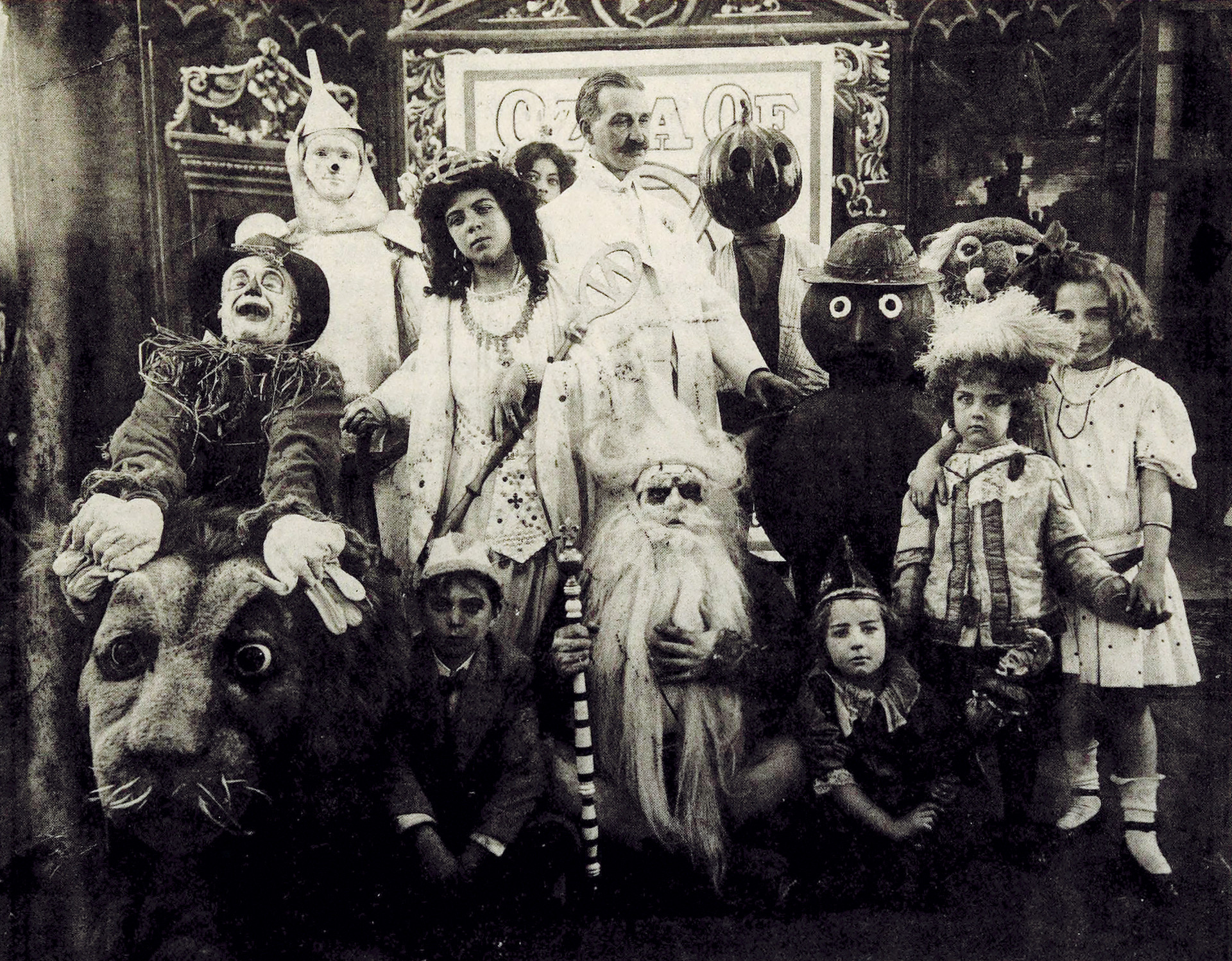
THE WONDERFUL WIZARD OF OZ was first published in 1900, becoming an instant success, and spawned more than a dozen sequels, a traveling multimedia show, a popular stage musical, several less successful silent films all in the lifetime of its creator, L Frank Baum. Of course, the most enduring version of the Oz story came in 1939, two decades after his death, with THE WIZARD OF OZ, and since then, the story has inspired further adaptations and reworkings, from THE WIZ to WICKED. Randall MacLowry and Tracy Heather Strain take a comprehensive look at Baum’s life and experiences and how they influenced the creation of his legendary children’s story. As with all entries in the venerable PBS series, their profile is informational and educational rather than particularly cinematic, presented through extensive narration and talking heads, but is successful nevertheless. The doc traces Baum’s story from a privileged upbringing through a series of entrepreneurial ventures to make his own fortune and support his family, from poultry breeder and actor to traveling salesman, general store manager, and newspaper publisher, before he was encouraged by his mother-in-law, a suffragist and author, to publish his own stories. In some ways, Baum reflected the small-minded sentiments of his times, particularly in his racist – and even disturbingly genocidal – views of indigenous people, but in other ways, surprisingly progressive, such as his support of women’s equality. MacLowry and Strain contextualize these contrasting elements, and demonstrate how they played out in his writing, from stereotypical, racialized characters on the one hand to the more positive focus on a young, empowered heroine. Further, the profile explores how OZ resonated as a distinctly American fairy tale of perseverance and achieving the American Dream, both upon its initial publication at the turn of the century and then again, notably, at the end of the Great Depression with the Judy Garland-starring MGM musical.




 what (not) to doc