About: Nine young people share their experiences of suicide and depression.
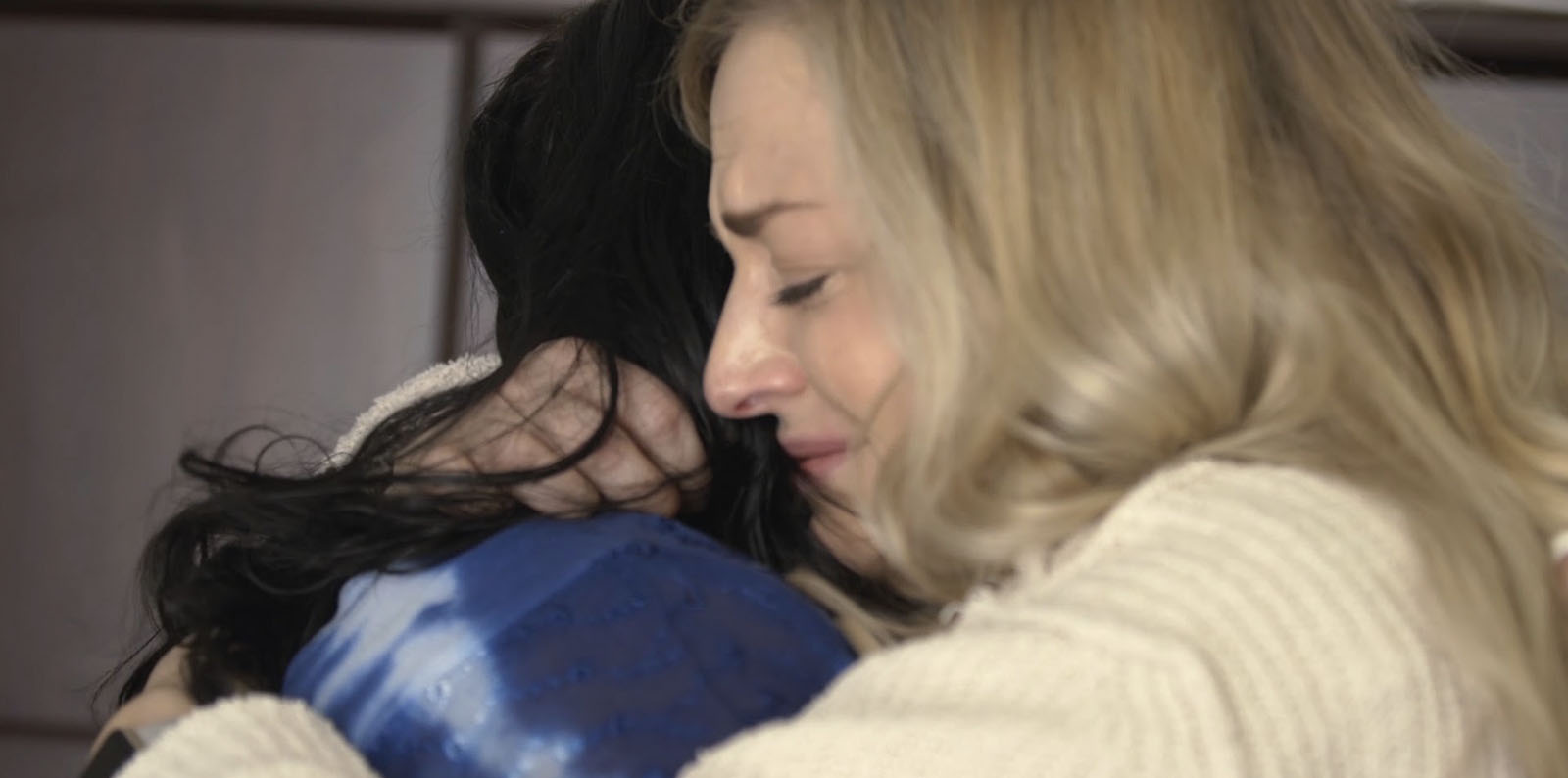
With suicide rates increasing among young people – and only exacerbated by the social isolation and other pressures caused by the pandemic – filmmaker Alexandra Shiva shines a spotlight on the issue by going directly to the source: Nine young people who have struggled with depression and suicidal ideation. Shiva has assembled a group of articulate and candidly vulnerable participants, and has given them a platform to address issues both universal and specific to their backgrounds with compelling results. For example, cultural backgrounds factor into the stories of a young Indian woman, a Black man, and a Latinx man, as they relate how mental health issues are often not discussed openly or are stigmatized in their communities; while trans and lesbian subjects reflect the disproportionate rates of suicide within the LGBTQ community. Structured as a series of vignettes that profiles each of the nine participants individually, the film also brings them all together intermittently via a group Zoom chat. While all of us are likely well past the point of Zoom fatigue, these moments are actually quite important, showing the commonality and community between the disparate subjects, and reminding the viewer of the additional challenges this past year has brought to us all.
Coming to PBS’s American Experience today, Monday, February 15: VOICE OF FREEDOM
Director: Rob Rapley
World Premiere: PBS broadcast (February 2021)
About: The story of singer Marian Anderson and the barriers placed upon her because of racism.
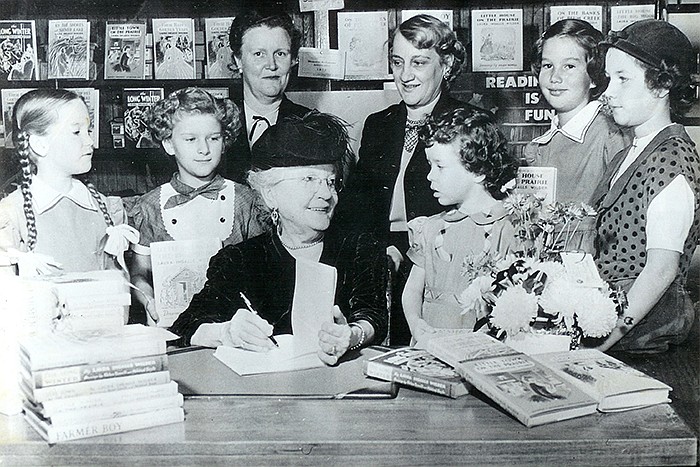
While not a household name today, for decades contralto Marian Anderson was heralded throughout Europe and the US as the “Voice of the Century.” While never an outspoken civil rights activist, her 1939 open air performance in front of the Lincoln Memorial – and the long controversy that led to it – marked a pivotal moment of dawning awareness by non-Black audiences of the pervasiveness and injustice of Jim Crow laws. Filmmaker Rob Rapley bookends his profile with this legendary event, telling the Black singer’s story in between, from early promise and success against the backdrop of segregation and racism to a life-changing and career-defining span of years honing her craft throughout Europe between 1927-1935 before returning to the realities of life as a Black woman in America. Little did Anderson know when she agreed to perform a benefit concert for Howard University in 1939 that she would be at the center of a national awakening about racism. Refused the use of a venue by its owners, the Daughters of the American Revolution, the concert became a cause célèbre, spurred on by the canny efforts of Walter White at the NAACP, who used his friendship with First Lady Eleanor Roosevelt to attract national attention. While the DAR embarrassingly stuck to its restrictive policies, President Franklin Delano Roosevelt allowed the concert to go on in front of the Lincoln Memorial, ultimately drawing 75000 attendees and millions via radio, and underscoring Lincoln’s pivotal connection to civil rights and freedom, something that had been shockingly downplayed if not buried in the decades since the Civil War. As with virtually all American Experience programs, Rapley’s follows its typical, workmanlike format, resulting in a somewhat muted sense of Anderson’s personality, but there’s still clear power in her story.
About: A personal meditation on the relationship between the gay filmmaker and his grandmother.
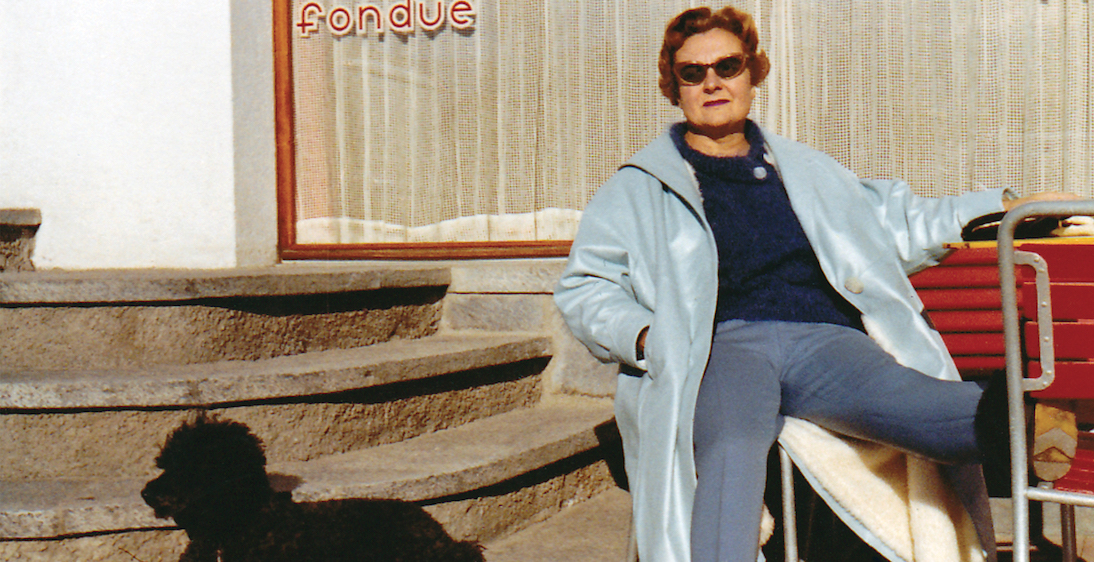
The film screened as part of DOC NYC, for which our program notes read: From a young age, filmmaker Stéphane Riethauser was groomed to become the golden heir to his family’s business—an alpha male who would fulfill their patriarchal expectations. His best friend and confidante was his grandmother Caroline, a self-made independent woman ahead of her time. After playing the part for several years, Stéphane matures into his true self and embraces LGBTQ activism. But will glamorous, old-fashioned Caroline understand? Riethauser’s filmis an honest and edgy confrontation with things long left unsaid in a family’s past.




 what (not) to doc