About: Female officers from the Minneapolis Police Department provide an inside look at a troubled institution.
The film screened as part of DOC NYC, for which our program notes read: When Janeé Harteau becomes Minneapolis’s first female police chief, she sets out to change a troubled department by addressing racially biased policing, increasing transparency, recruiting more women into the force, and championing leadership roles for female officers. But all of her reforms are threatened by an officer’s fatal shooting of an unarmed woman. Filming both before and after George Floyd’s murder, Deirdre Fishel follows four female officers as they navigate the changing department, offering a compelling inside look at the complex intersection of gender, race, and the limits of reform within an ethically questionable institution.
World Premiere: Dutch theatrical release (April 2018)
Select Festivals: Vancouver, Architecture & Design, Nederlands, New Zealand
About: A biographical celebration of the famed Dutch artist and would-be mathematician.
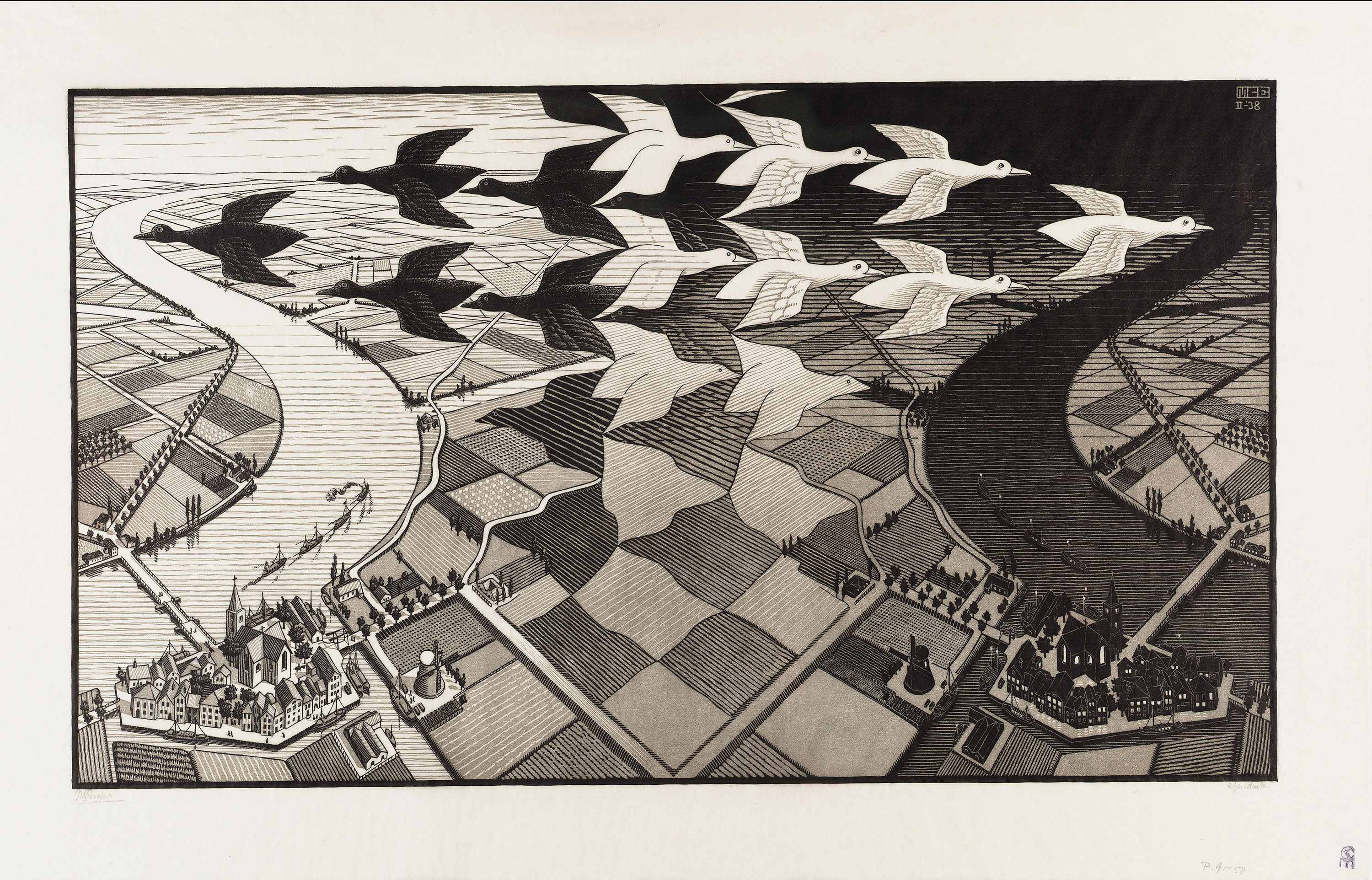
Working off of MC Escher’s own proclamation that the only person in the world who could make a film about his work was Escher himself, filmmaker Robin Lutz structures this tribute around the artist’s own words, voiced here by Stephen Fry. While there are a select few other commentators, notably Escher’s surviving children, the film is absent the perspectives of art world experts – a curious omission, given the project’s advocacy that Escher should be considered a high-art figure rather than a popular graphic designer. Instead, Escher, via Fry, guides us through his life history, the inspiration and development of his work through his travels and amateur interest in mathematics, and how he found fame, even if he was miffed by the mass marketing and colorization of his prints by hippies in the 1960s. Though the doc can feel at times like a dry PBS portrait, as a whole, it’s engaging enough, thanks to the curiosity and visual appeal of Escher’s prints.
World Premiere: Flathead Lake International Cinemafest 2021
About: A biography of the late Oscar-nominated actor.
Best remembered as the characters “Mr Miyagi” from the KARATE KID movies and “Arnold” from HAPPY DAYS, the late Pat Morita was one of few Asian Americans to find success in an entertainment industry that often traded on racial stereotypes. Despite his nomination for an Academy Award, however, Morita faced typecasting, limiting his career prospects. Filmmaker Kevin Derek, using the actor’s unfinished memoir as spine for this portrait, aims to celebrate Morita’s life and career, and to demonstrate that his talents and range extended far beyond a single character. Morita’s own words, supplemented by interviews with family, friends, castmates, and other industry professionals, reveal the struggles he went through, from a painful childhood spinal condition to internment in Japanese American camps with his family during WWII, and how these experiences influenced his eventual career as a stand-up comic and later actor. Derek spends an inordinate amount of time focusing on Morita’s familiar roles, dipping too much into fanboyish nostalgia, but does provide more compelling considerations of the obstacles Asian American performers like Morita faced, from racist depictions by white performers to stereotypical roles and audience and industry resistance to non-white leads – as Morita experienced in his short lived sitcom and drama projects. The emotional core of the film comes from Morita’s widow, Evelyn, who relates her husband’s long struggle with alcoholism, which accelerated his death.
About: A look at athletes how have faced inequalities in competitive sports.
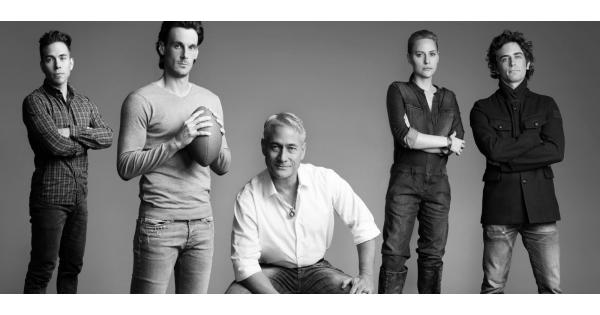
Filmmaker Keli Price’s great-grandfather, Jack Brooks, was a speed skater who was barred from competing for the US in the 1932 Winter Olympics because he was Jewish, as related at the beginning of this doc. Perhaps recognizing that there wasn’t a feature in that story, Price broadens his scope to look at other instances of athletes who had to break barriers to make for a more equitable playing field. To that end, he references historical examples, like Jesse Owens at the 1936 Olympics, but primarily focuses on more modern day examples, including Michael Sam as the first openly gay pro football player; Bonnie Blair, a female speed skater; Robbie Rogers, an openly gay pro soccer player; Greg Louganis, on confronting homophobia during his time as a pro diver; among others. The result is an earnest, but workmanlike, talking heads-focused project that unfortunately is so wide-ranging that it can’t help but become a vague survey.









 what (not) to doc