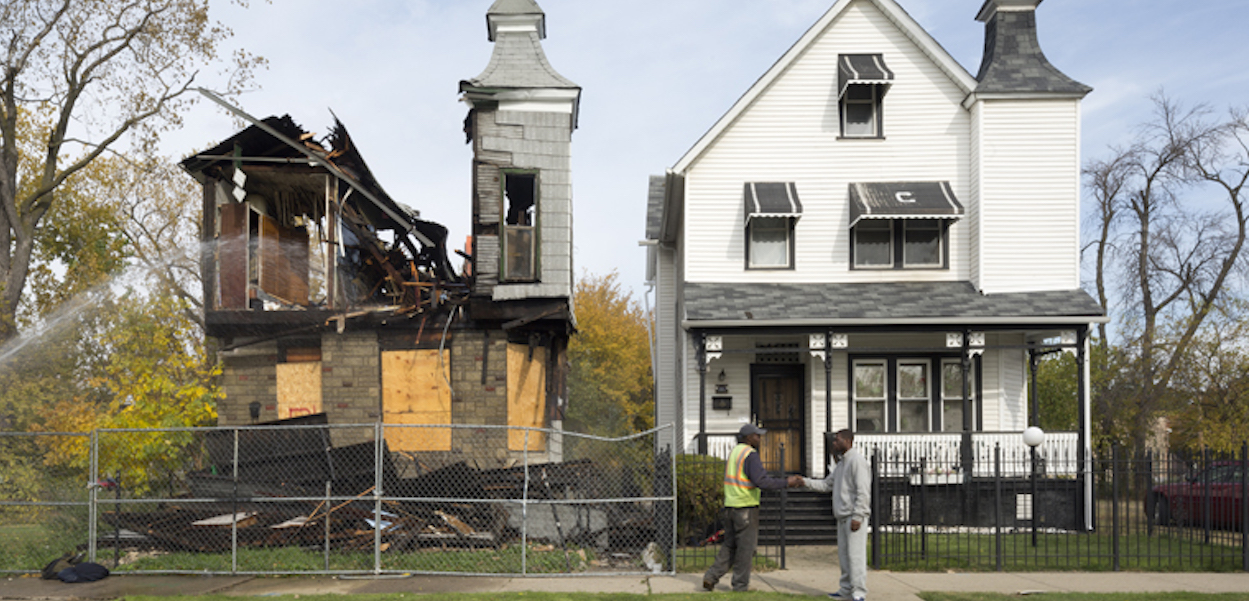
About: A longitudinal portrait of a historically Black South Side Chicago neighborhood as it faces destruction.
For generations, Englewood has been home for hundreds of Black families, part of a legacy that stretches back to the Great Migration. Notably, despite decades of inequities and racist policies that have historically limited the ability of many Black people to be homeowners, Englewood has beaten the odds, with half of its families owning their homes. David Schalliol’s film begins in 2012, when the Norfolk Southern railroad company has already begun to decimate Englewood, buying up property to expand its nearby rail yard. Working in concert with local politicians, all too eager to reframe the neighborhood as suffering from urban blight and to erase its long history, Norfolk Southern’s victory is sadly inevitable. Despite this, some local residents refuse to go quietly, demanding to be treated with respect and to be offered fair compensation for their homes. Schalliol follows their righteous, if Sisyphean, struggle – and the sad demise of Englewood – over five years in this sensitively observed profile.
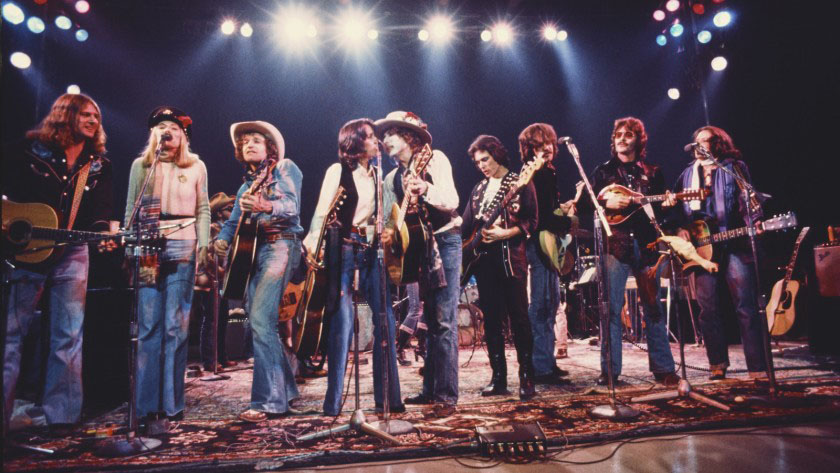
About: Bob Dylan’s legendary tour from the mid-1970s is filtered through the Martin Scorsese’s distinctive lens.
The film screened as part of DOC NYC, for which our program notes read: In 1975, Bob Dylan embarked on a two-year tour that became legendary. Now Martin Scorsese draws upon footage shot on that tour to create a documentary as unique as Dylan, with fictional elements interwoven. The film includes a parade of iconic figures including Allen Ginsberg, Joan Baez, Joni Mitchell, Gordon Lightfoot, and Patti Smith.
About: An expansive consideration of how the movement of Black people has been policed in American history.
Based on Gretchen Sorin’s book DRIVING WHILE BLACK: AFRICAN AMERICAN TRAVEL AND THE ROAD TO CIVIL RIGHTS, this screen version reveals the pivotal role transportation and movement have played in African American life in the 20th century. While mainstream (white) audiences were introduced to the treacherous aspects of road travel for Black individuals via Hollywood’s GREEN BOOK, Sorin and her co-director Ric Burns delve more deeply, and broadly, into the concept of the transformative possibilities – and limits – of travel by African Americans in the US, from slavery through Jim Crow, the Great Migration through the Civil Rights era and into the present day. They cover a wide swath of history, perhaps too wide – an exploration of the restrictions on the Black body for any of these periods could easily fill its own feature length treatment – but it’s an informative and insightful meditation that remains all too relevant to this day.
Swedish teenager Jonatan Leandoer Håstad found inexplicable fame online, sharing his music on SoundCloud under the alias Yung Lean. Filmmaker Henrik Burman recounts Jonatan’s unusual emergence at the age of 15, and the darker side of fame for him and his Sad Boys crew. While boasting impressive access to his subject, the director constructs a fairly by the numbers surface portrait that will register chiefly with the artist’s fanbase and leave all others scratching their heads at what all the fuss is about.
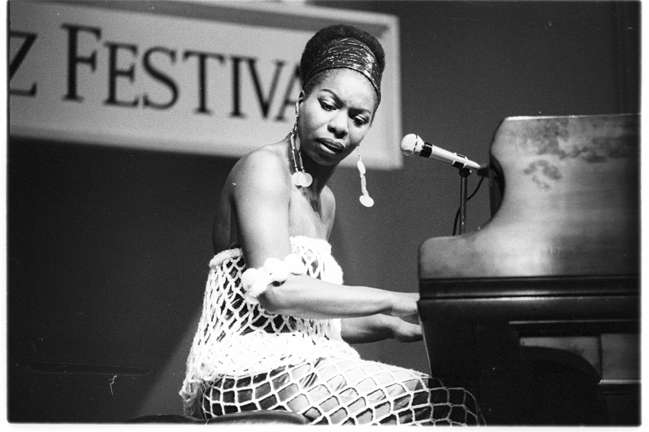
About: An exploration of the political activism and impact of six legendary Black female actresses and musicians.
Based on HOW IT FEELS TO BE FREE: BLACK WOMEN ENTERTAINERS AND THE CIVIL RIGHTS MOVEMENT, Yoruba Richen’s screen treatment profiles five of the women featured in Ruth Feldstein’s book – Lena Horne, Abbey Lincoln, Nina Simone, Diahann Carroll, and Cicely Tyson – and swaps in Pam Grier instead of Miriam Makeba for the sixth spot. This multi-subject focus is a departure from the typical singular approach for American Masters, and a daunting one – each of these icons could and should receive their own standalone doc, or, at the least, would have benefitted from an episodic form instead. Richen and her panel of experts – Feldstein as well as historians, family members, and notable present-day performers – do succeed in drawing out compelling arguments and observations about how these subjects broke barriers in Hollywood and the larger entertainment industry, and, just as often, were frustrated in their efforts, as well as the more overt activism some of them engaged in, particularly around civil rights. At the same time, the need to balance six biographical threads lends a choppiness to the proceedings, and a sense that there’s far more to each women’s story than is possible to cover in the available time.
About: The filmmaker attempts to make sense of her wayward father.
Named in homage to Yvonne Rainer’s FILM ABOUT A WOMAN WHO…, noted experimental filmmaker Lynne Sach’s constructs a study of her father, Ira Sachs Sr, from material shot over four decades. Ira, a hippie-turned-successful real-estate developer, was also an unrepentant womanizer, taking on younger lovers and producing more and more offspring, some kept secret from Lynne and her brother, Ira Jr, the acclaimed filmmaker. While the film is hardly experimental, its construction is somewhat fragmentary and decidedly personal, which initially makes it a bit difficult for the viewer, an outsider to this family affair, to engage. Despite this, the portrait that Lynne Sachs pieces together grows increasingly intriguing, not just of her father, but of his generation, and, really, of the broader idea of family.