About: A collection of recently unearthed letters offer a fascinating glimpse at the underground gay drag scene of 1950s-’60s NYC.
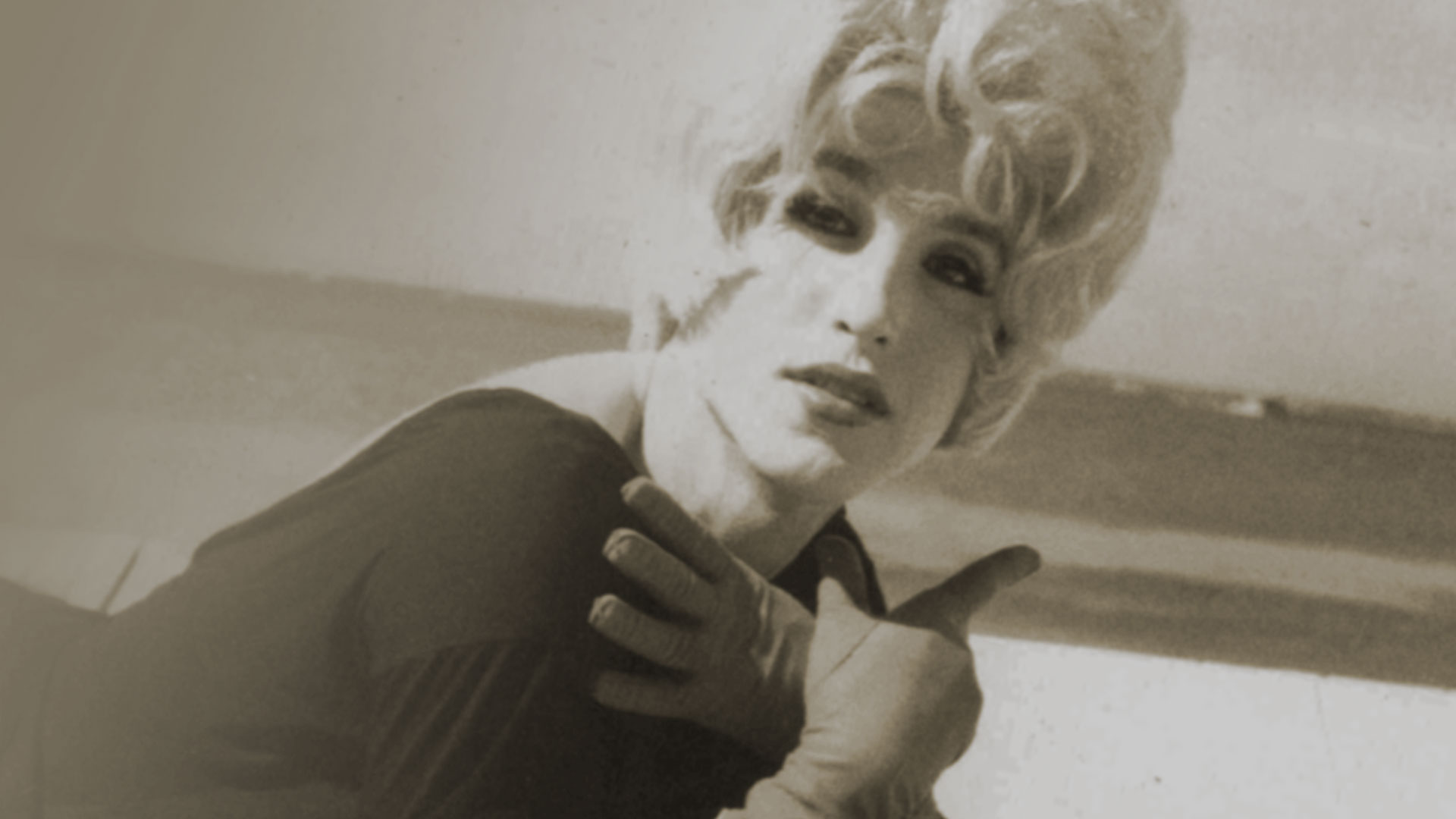
In 2014, a box of letters discovered in a Los Angeles storage unit, all addressed to the mysterious “Reno,” sets filmmakers Michael Seligman and Jennifer Tiexiera on a journey to track down the circle of friends behind the communications, all part of the pre-Stonewall drag scene in NYC. Excerpts from the colorful missives are read throughout the resulting film, bringing to life the vibrant but often dangerous milieu as experienced by men with such aliases as Claudia, Daphne, and Josephine Baker, not to mention the distinctive slang of that era’s gay subculture, while present-day interviews with the letter writers as well as queer historians offer both infectious humor and poignant reflection. While there’s a looseness to its structure, and a too abrupt transition from the subjects’ heyday to the devastation of AIDS, eliding the transformative two decades in between, the film is nonetheless incredibly engaging and an important excavation of queer history from a period when primary sources were often hidden, if not destroyed.
Select Festivals: Hot Docs, AFI Docs, CAAMFest, Los Angeles Asian Pacific
About: Cheerleaders face off against the NFL for fair wages.
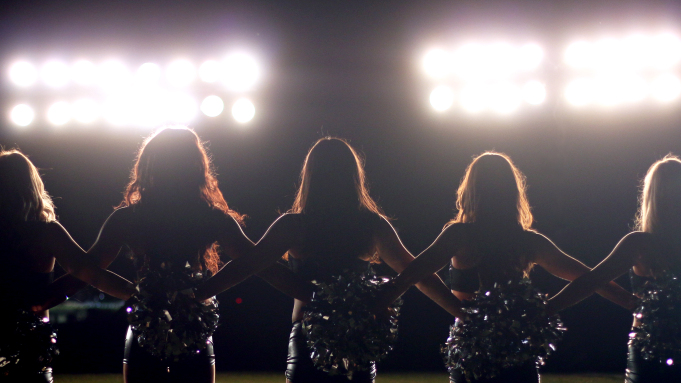
Football is a lucrative industry, but the compensation provided to scores of cheerleaders bolstering the game doesn’t come anywhere close to reflecting that reality. While some teams have strictly volunteer squads, even those with salaries are typically paid far below minimum wage, often going without pay for months at a time, and responsible for covering their own costs, including travel, with penalties incurred for absences. Filmmaker Yu Gu profiles Oakland Raiderette Lacy Thibodeaux-Fields and Buffalo Jills’ Maria Pinzone, two former cheerleaders who decide that enough is enough and take to the courts to argue against this exploitation and wage theft. While it would seem a given that individuals should be fairly compensated for their work, entrenched sexism instead leads to a backlash, not only from stereotypical chauvinists too eager to dismiss the work of women, but also from female fans and, surprisingly, past and current cheerleaders, who parrot an outdated, self-defeating belief that women should just feel lucky to be given the opportunity to participate in the first place. Though Gu struggles to maintain focus on the core issues of her film, keeping extraneous material even in the broadcast cutdown, she succeeds in spotlighting inequity and sexism in sports, and the impact of Thibodeaux-Fields and Pinzone’s determination against the backdrop of the emerging #MeToo and Time’s Up movements.
About: An exploration of the life and writing of the popular children’s book author.
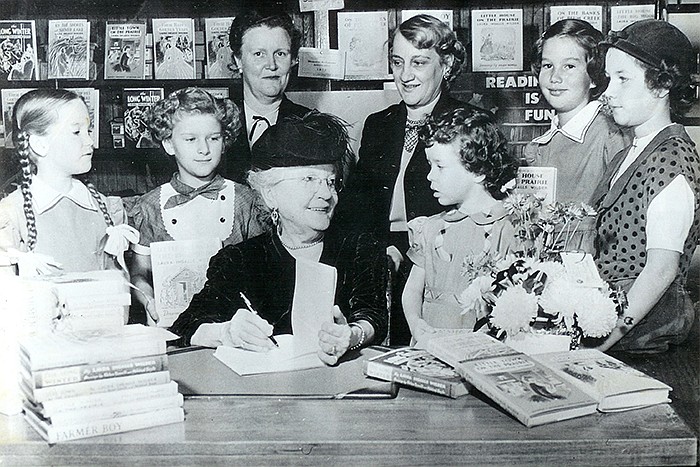
Best known for the LITTLE HOUSE series of books that ostensibly related her childhood on America’s frontier in the late 1800s, Laura Ingalls Wilder didn’t publish her first novel until she was 65 years old, encouraged by her daughter, a successful writer. Director Mary McDonagh Murphy delves into Wilder’s life, and that of her parents, immortalized – and idealized – on the small screen, separating fact from the author’s autobiographically inspired but decidedly simplified and, in many cases, fictionalized version. In addition, the film explores the pivotal and contentious collaboration Wilder had with her daughter, Rose, which was kept a secret, as well as the insensitive and sometimes racist depictions of indigenous and Black people in her writing that casts a pall over the nostalgic affection that many readers have for the books. The result is an engaging look at Wilder and how she not only mythologized her own life, but generations of readers’ conception of the American frontier.
About: A portrait of the influential civil rights leader and businessman.
Born in segregated Atlanta in the 1930s, Vernon Jordan was inspired by successful Black role models like the presidents of various HBCUs to seek higher education, becoming one of a handful of Black students at Indiana’s DePauw University and later earning a law degree at Howard. After a successful career as an attorney, he turned his attention to civil rights activism, taking leadership roles in the NAACP, the United Negro College Fund, and the National Urban League, among other organizations; served as advisors to US presidents, most notably Bill Clinton; and, significantly, turned his attention to the corporate world, advocating for greater diversity and inclusion on the boards of directors for major institutions – the latter has led Henry Louis Gates to call Jordan “the Rosa Parks of Wall Street.” Filmmaker Dawn Porter succinctly relates Jordan’s background and achievements, while also capturing his charismatic personality and his ongoing commitment to mentoring and encouraging the advancement of Black people.
About: Four celebrity chefs reckon with the impact of the pandemic on their restaurants.
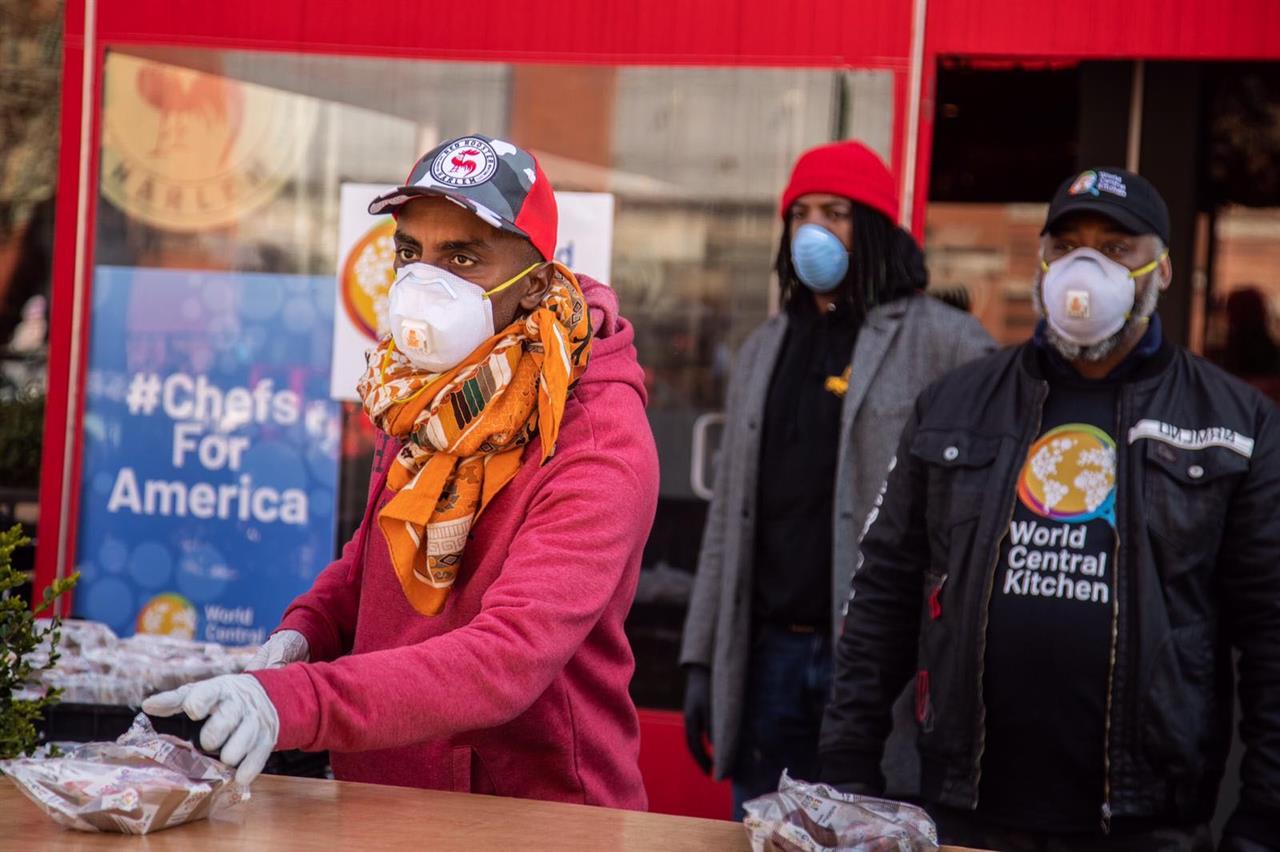
I previously wrote about the film for DOC NYC, saying: Like many businesses, the restaurant industry has been hard hit by COVID-19. This timely film, directed and executive produced by Guy Fieri and Frank Matson, intimately chronicles the impact of the pandemic on the restaurants of four chefs familiar to viewers of Food Network: Antonia Lofaso, Marcus Samuelsson, Maneet Chauhan, and Christian Petroni. Unfolding as the COVID-19 outbreak sweeps across the US, the filmmakers follow these chefs as they face the reality of shutting down, laying off staff, and finding alternate ways to save their beloved restaurants and industry.





 what (not) to doc